Hello everyone,
I’m Andy, your tea enthusiast guide.
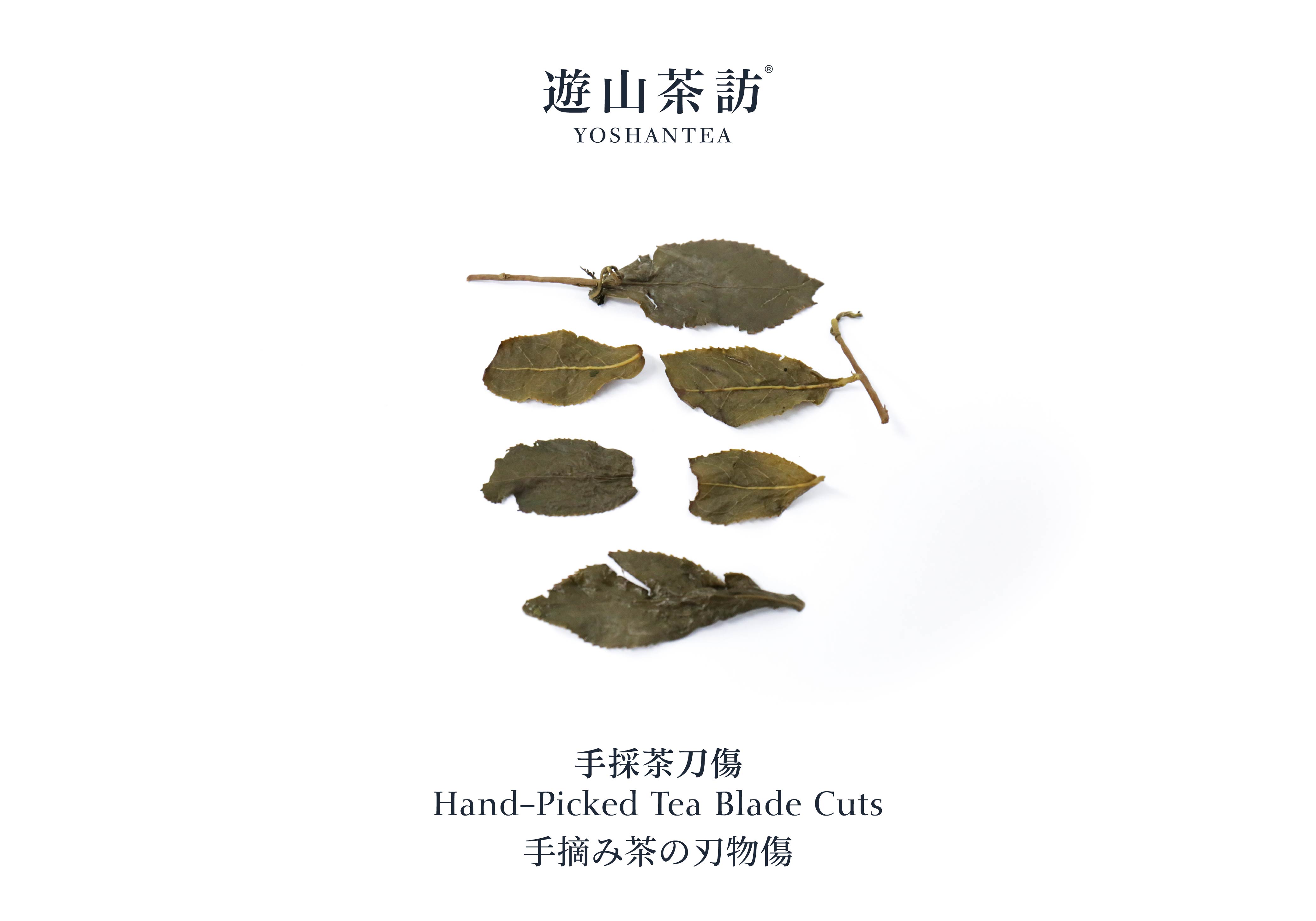
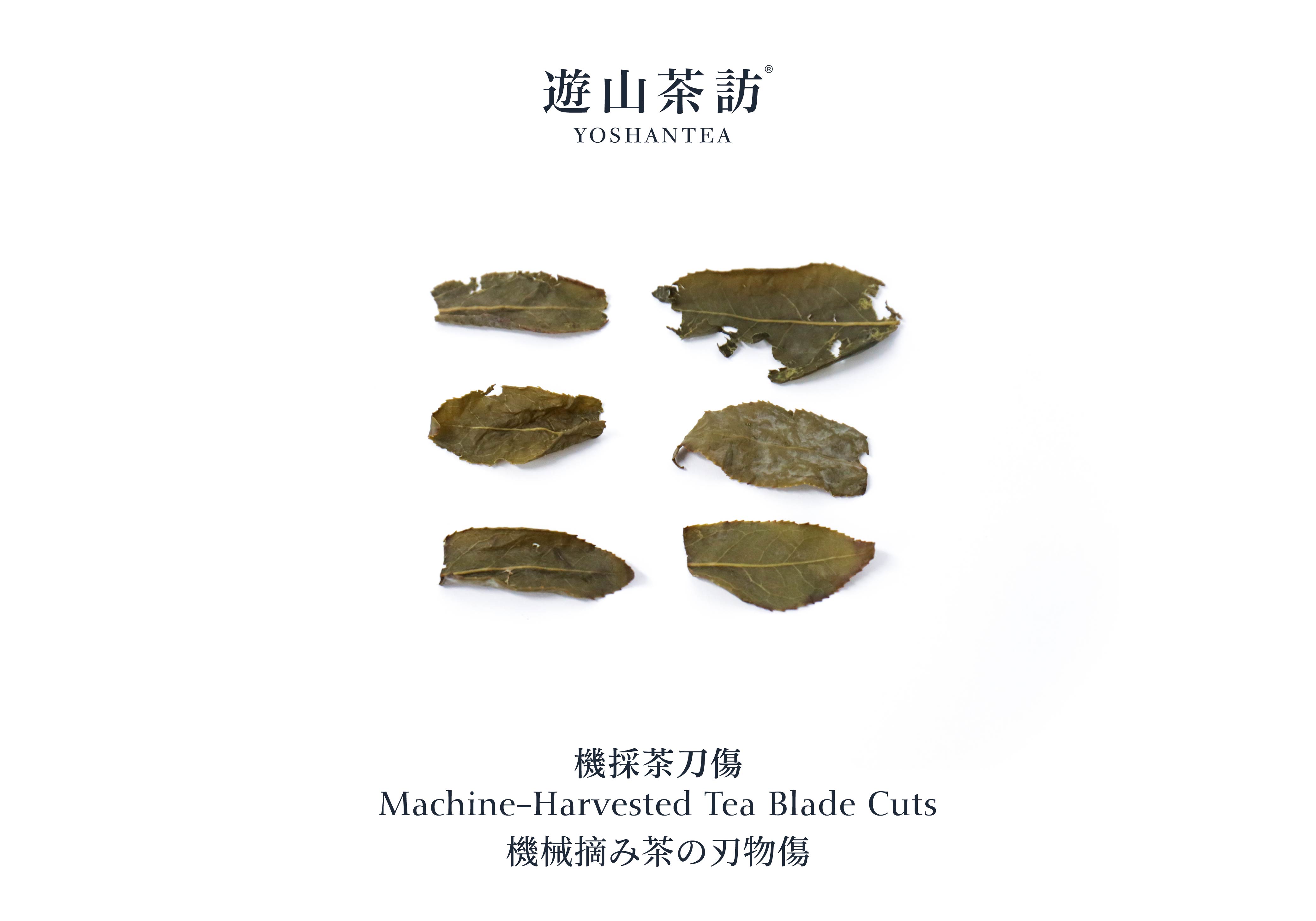
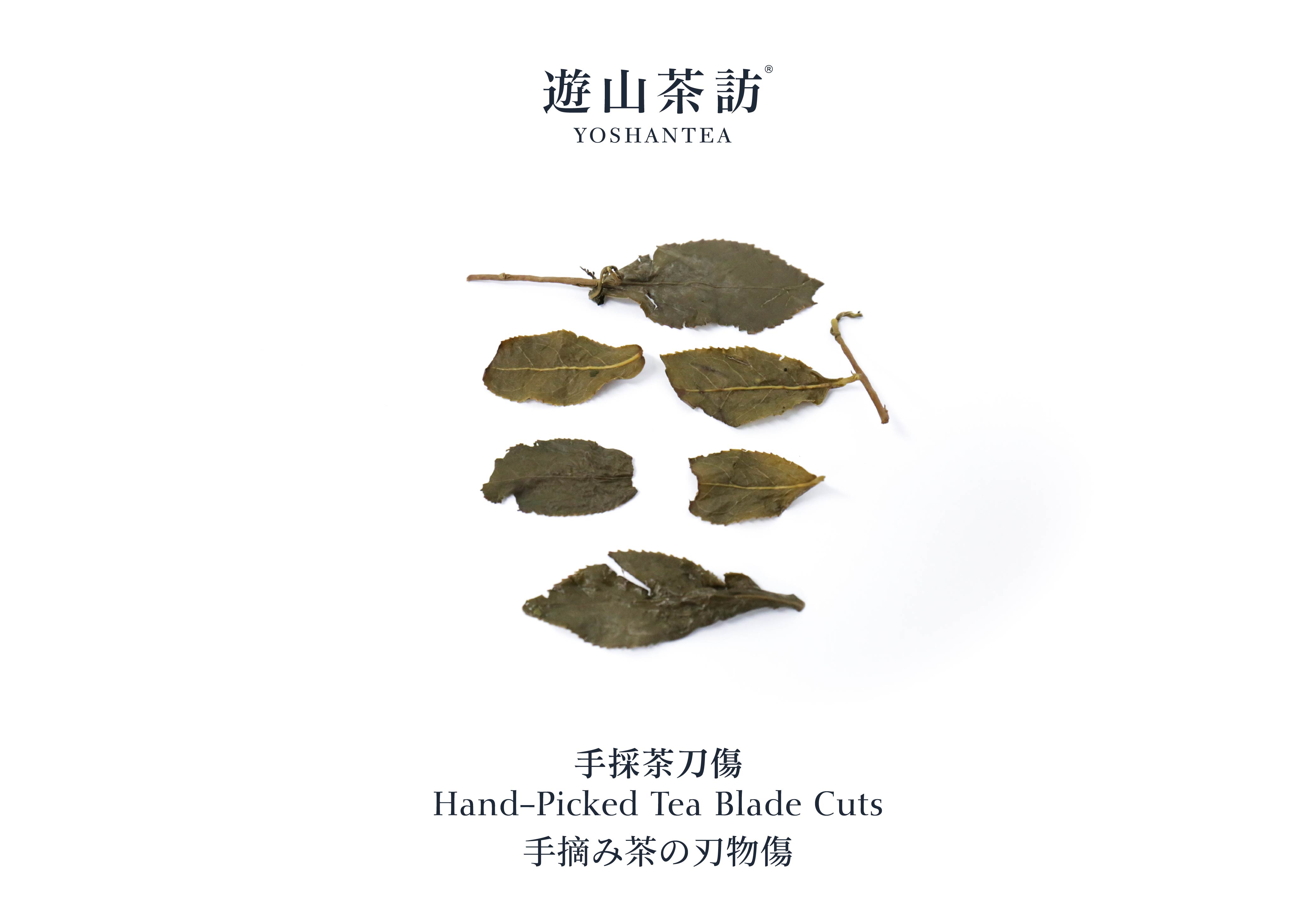
A question I hear often: after brewing tea, the leaves look like they’ve been cut with a knife. Does that mean the tea was machine-harvested?
Let me share what I know: can cut marks on brewed tea leaves be used to determine whether the tea was machine-harvested?
What Are the Different Harvesting Methods? Is Hand-Picked Tea Better?
Tea harvesting is broadly divided into two methods: hand-picking and machine harvesting.
Ideal hand-picking involves carefully selecting tea buds at the right level of maturity, maintaining a length of one bud with two to four leaves.
The same tea plant is often harvested in three separate rounds, because not all buds mature at the same rate.
This approach gives extremely precise control over quality, but it is also very labor-intensive.
However, as the labor pool for tea picking continues to shrink, multi-round hand-picking has become increasingly rare. The more common
practice today is to pick everything at once, with less attention paid to sorting by maturity.
Machine-harvested tea, as the name suggests, uses mechanical equipment to collect the leaves.
In traditional thinking, machine harvesting is an indiscriminate method that takes everything regardless of the leaves’ condition,
and therefore tends to produce a large proportion of broken or damaged leaves.
That said, with advances in tea garden management, if the tea plant canopy is trimmed evenly and the buds grow to a uniform length,
the quality of machine-harvested tea can match that of hand-picked tea.
Why Do Tea Leaves Have Cut Marks?
Many people instinctively assume that cut marks on leaves must mean the tea was machine-harvested. This is only partially correct.
Machine harvesting does use sharp blades that move at high speed, and these blades can easily score and cut the leaf surface,
leaving visible marks.This is a legitimate clue pointing toward machine harvesting.
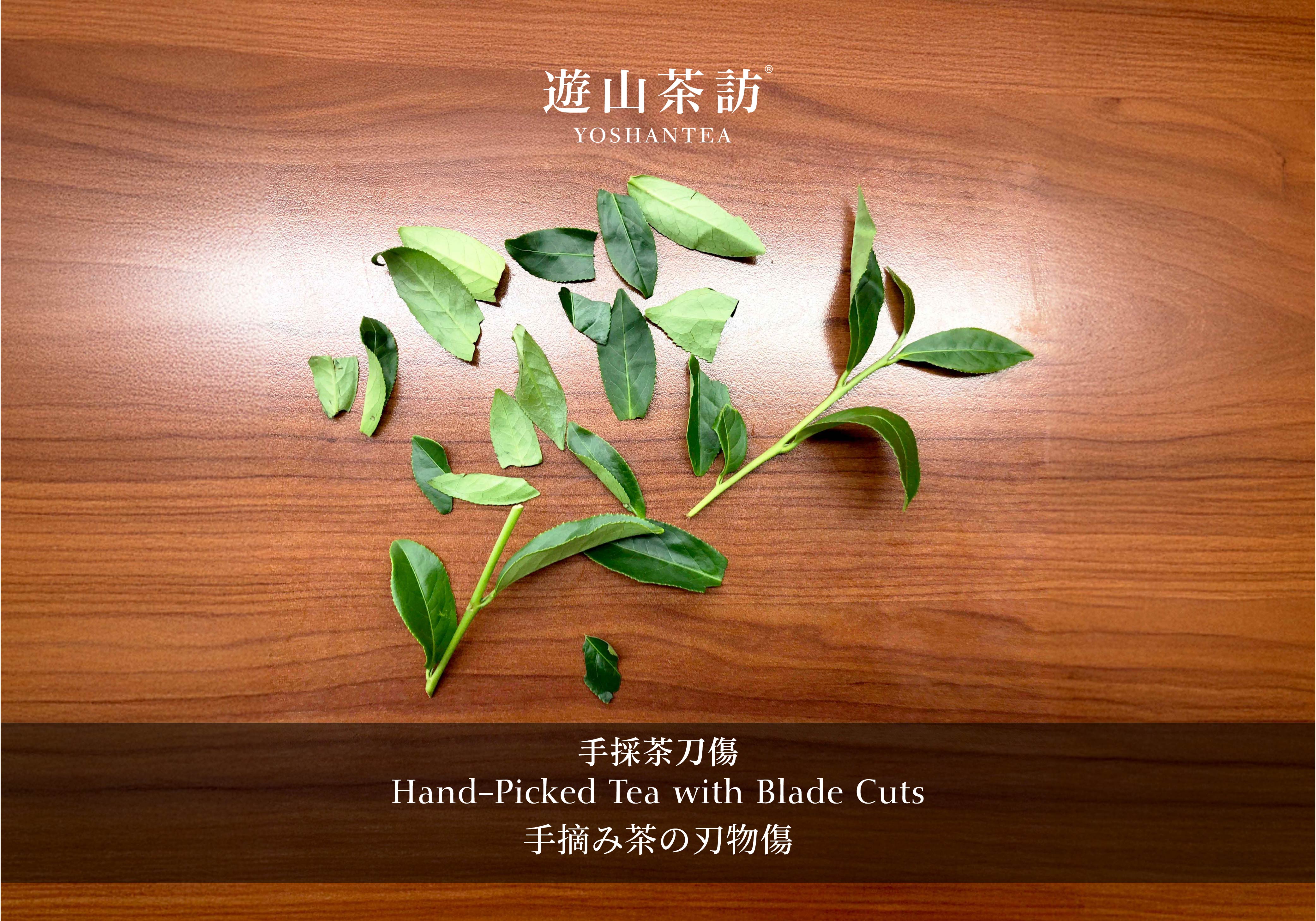
However, hand-picked tea can also show cut marks.In practice,
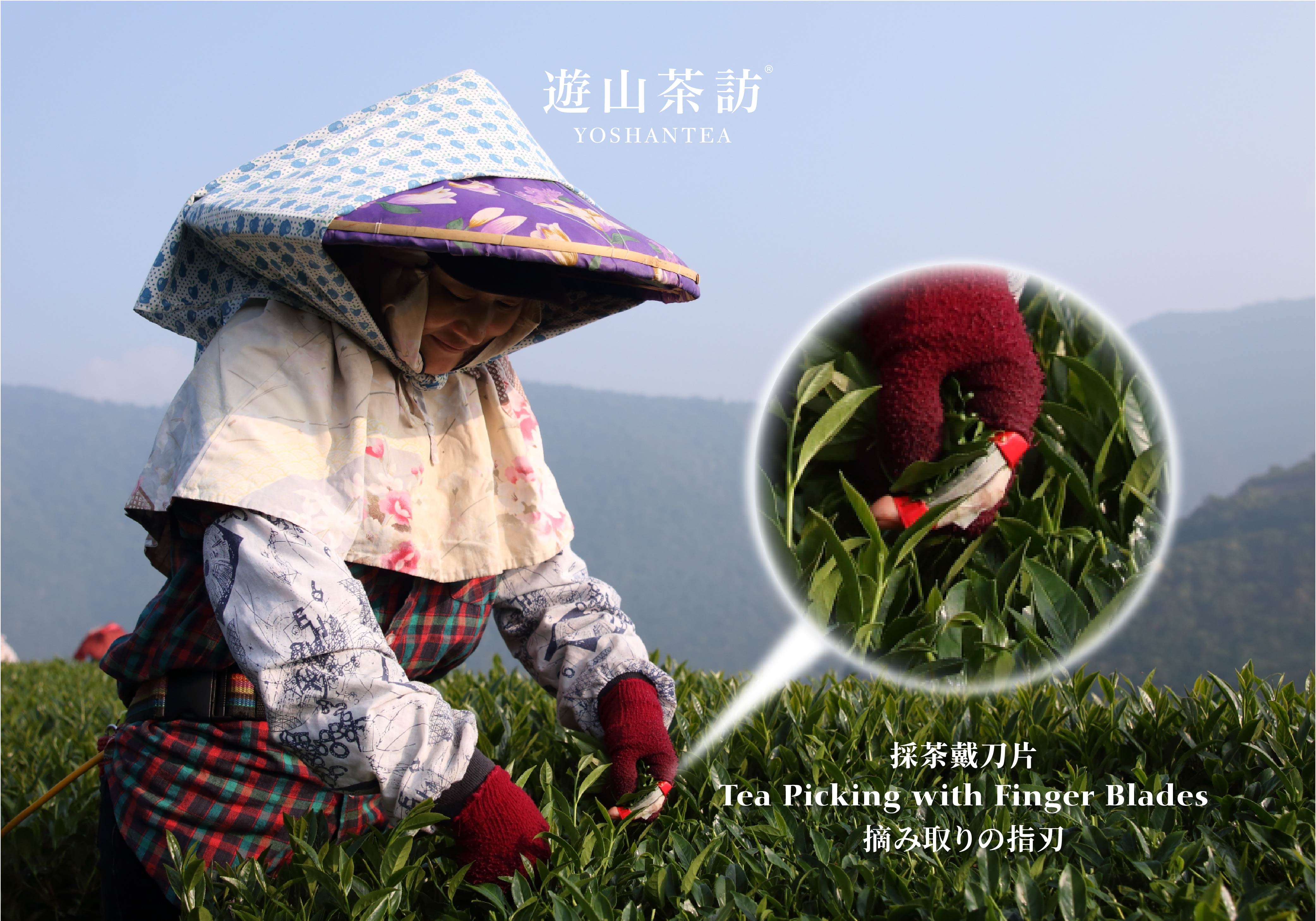
to speed up the picking process and reduce the wear on fingers from long hours of work,
and because tea pickers are often paid by weight, many pickers wrap a small blade around their index finger to assist with plucking.
At the fast pace of harvesting, this blade can easily nick and cut the leaves, leaving marks very similar to those produced by machines.
Therefore, cut marks alone are not a reliable way to determine whether tea was machine-harvested or hand-picked.
Both methods can produce cut marks; the difference lies in the proportion and distribution of the damage.
If Too Many Leaves Are Cut, Does It Affect the Taste?
Let’s return to the fundamentals of tea processing. At its core, making tea is a matter of moisture management.
The veins and stems of tea leaves act like pipes, transporting water and regulating the speed and evenness of fermentation (oxidation).
Once these pipes are damaged, whether blocked or broken, moisture flow becomes uncontrolled.
When a high proportion of leaves carry cut damage,
the exposed cells in the wounded areas come into direct contact with air, greatly increasing the surface area for oxidation.
These leaves tend to over-ferment during processing, resulting in a tea liquor that appears reddish in color,
tastes unclean, and sometimes carries an unharmonious off-note.
A small number of cut marks is perfectly normal and not a cause for concern.
But if most leaves show obvious damage, the overall quality of the tea will be affected.
Summary
The quality of tea is ultimately determined by how it tastes. Appearance is only a supplementary clue, not the sole basis for judgment.
Cut marks can offer some information, but they should not be used alone to determine the harvesting method,
and they certainly cannot be equated directly with tea quality.
Good tea production is about achieving a consistent overall standard. Every leaf together makes up the flavor of a cup of tea.
Occasional minor imperfections are normal and do not require over-interpretation.
Tea where every single leaf is perfectly intact and free of damage may indeed show improved quality,
but the corresponding costs of harvesting and sorting rise substantially, and so does the price.
When choosing tea, let your palate lead and use appearance as a secondary reference.
I hope this article has been helpful.
See you next time.
#yoshantea #taiwantea #dongdingtea #oolongtea #teafactory #FSSC22000 #safetea #machineharvestedtea #handpickedtea #teaharvesting #tealeafidentification #teaprocessing #cutmarks