Hello everyone,
I'm Andy, a tea enthusiast.
If you've ever brewed a cup of black tea and left it to sit for a while,
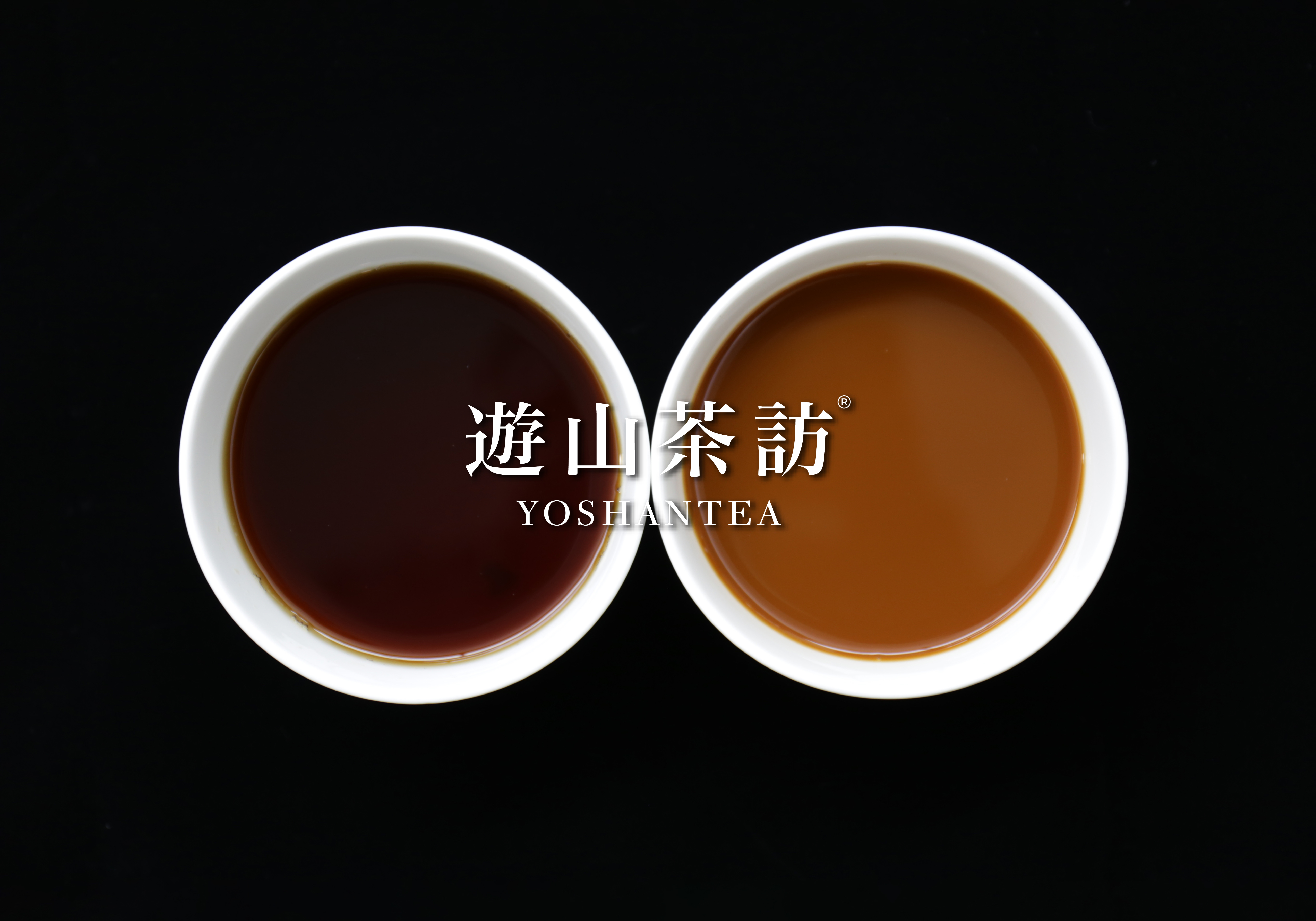
you may have noticed the once-clear, amber liquid slowly turning opaque.
Today I'd like to share why this happens.
Why Does Black Tea Turn Cloudy?
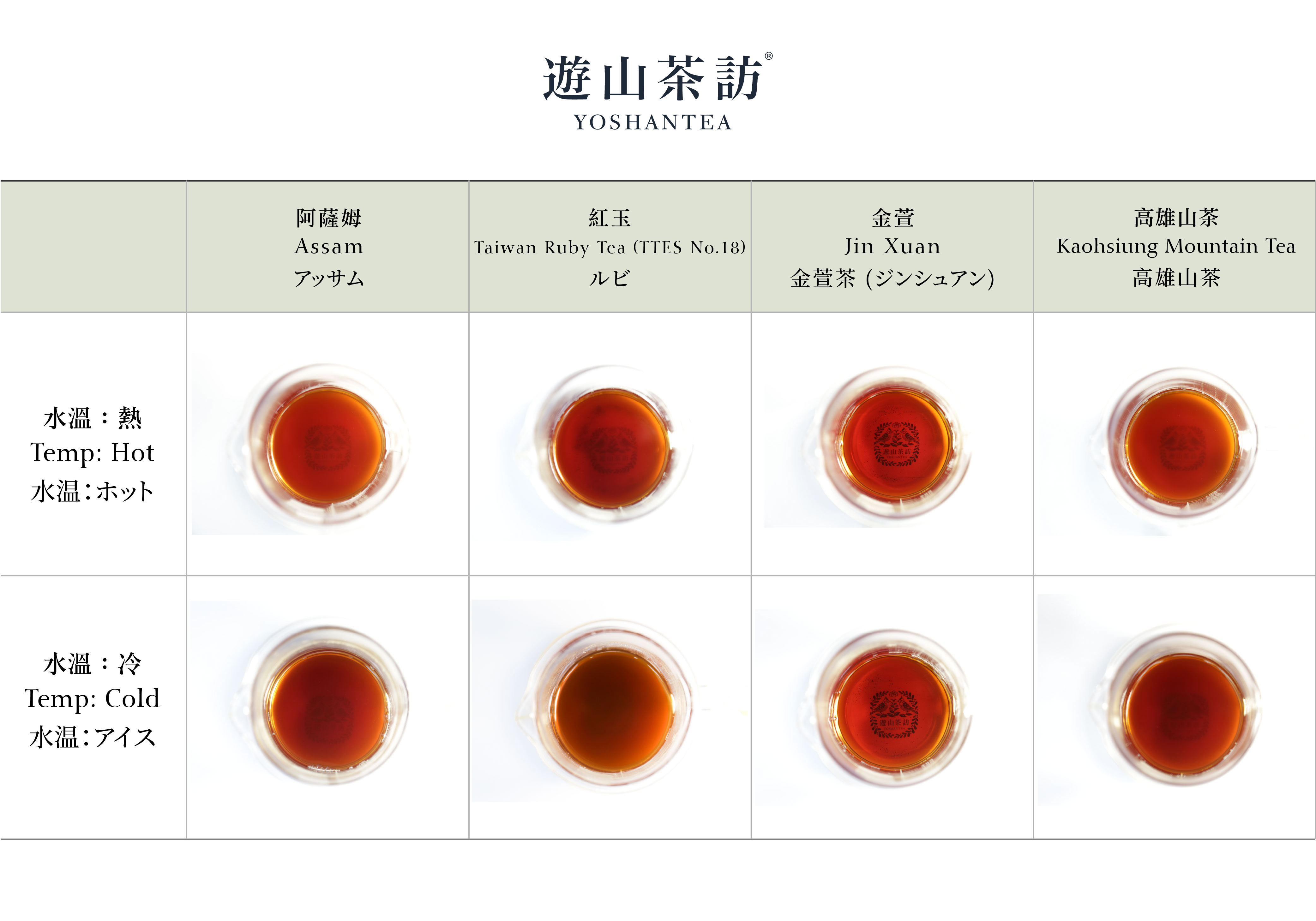
The cloudiness comes from a chemical reaction that occurs as the tea cools down.
During the production of black tea, the leaves undergo full oxidation.
During this process, catechins are converted into theaflavins and thearubigins.
When dissolved in hot water, these compounds give the tea its clear, amber color.
But as the temperature drops, they bind with caffeine in the tea to form larger molecular complexes.
These complexes scatter light and make the tea appear opaque and cloudy.
This binding is driven by non-covalent intermolecular forces, which means it is reversible.
Simply reheat the tea, and the complexes break apart, restoring the tea's clarity.
What Is Tea Cream (Cold Haze)?
This phenomenon is formally known as Cold Haze or Creaming, and is also called Tea Cream.
It does not indicate that the tea has gone bad.
In fact, it often signals that the brew is rich in polyphenols and has a high concentration of compounds.
What Factors Affect Tea Cream Formation?
Several factors influence how strongly the tea cream effect appears:
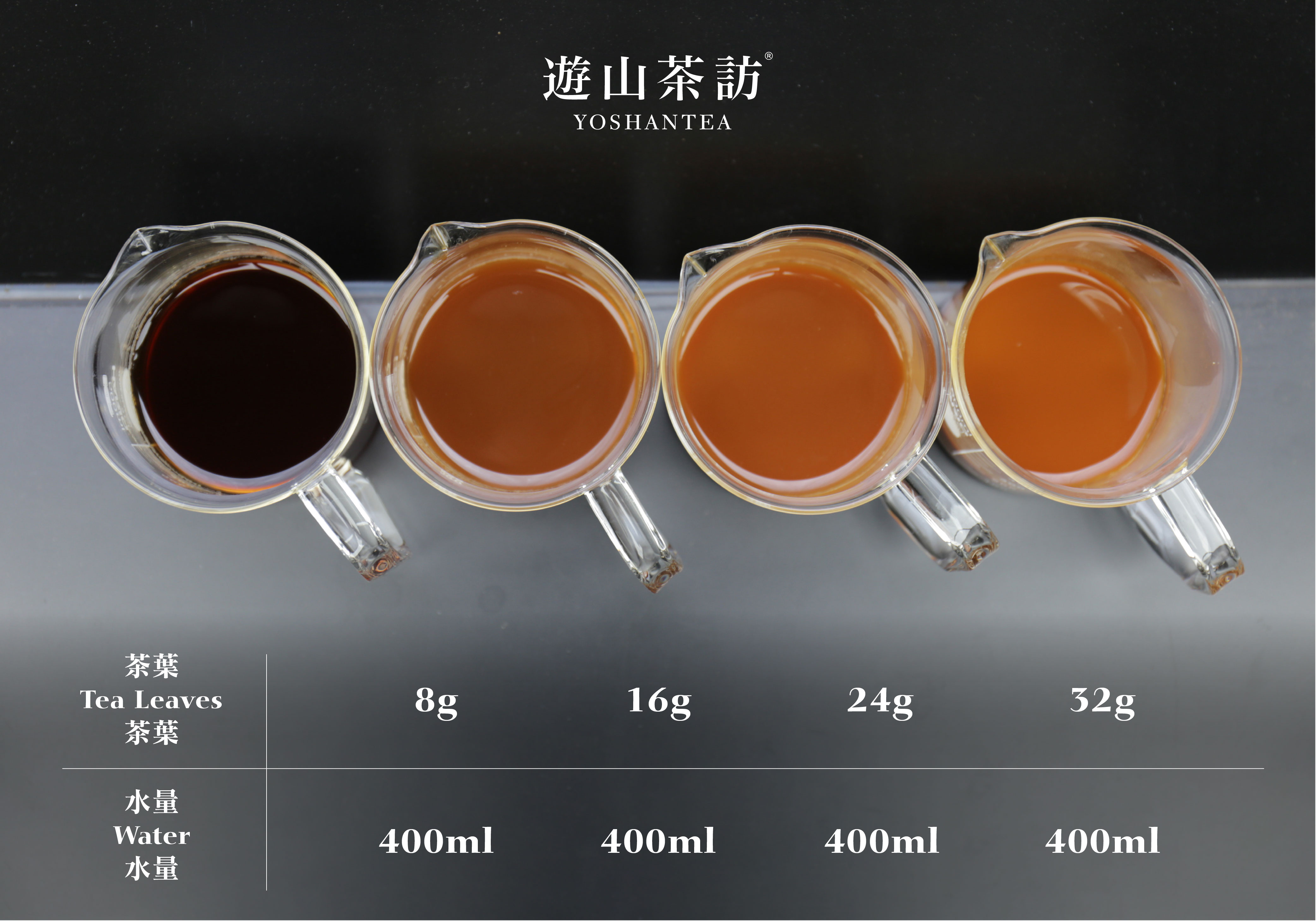
Brewing Strength
The stronger the brew, the more theaflavins, thearubigins, and caffeine are present, and the more pronounced the cream effect becomes.
Using less water, steeping for longer, or using finely broken tea leaves all increase the likelihood of creaming.
Conversely, a lighter brew will show little to no cloudiness after cooling.
Tea Variety
Different black tea varieties vary significantly in their tendency to cream.
Large-leaf varieties (such as Assam and Ceylon) are high in polyphenols and cream heavily, making them popular for iced tea and milk tea bases.
Small-leaf varieties tend to have lower polyphenol levels and cream less noticeably.
Taiwan's Sun Moon Lake Black Tea (Taiwan Tea No. 18 / Hong Yu) is rich in polyphenols and creams readily as well.
How Does Tea Cream Affect the Industry?
Tea cream can make a beverage look like it contains milk, which is visually unappealing in canned or bottled drinks.
For this reason, beverage manufacturers must address creaming during both recipe development and quality control.
Common approaches include:
- Measuring total polyphenol content
- Setting upper limits on brew concentration
- Adjusting extraction time, temperature, and tea variety to control polyphenol levels
The Role of Tannase
Research has shown that the enzyme tannase (Tannase, EC 3.1.1.20) can effectively reduce tea cream formation.
Tannase breaks down gallate-ester polyphenols in the brew, improving their solubility at low temperatures.
According to a comprehensive review by Chandini et al. (2013), published in Critical Reviews in Food Science and Nutrition,
tannase is the most widely used enzyme in the ready-to-drink black tea industry for reducing cream formation.
A more recent study published in Frontiers in Sustainable Food Systems (2023) found that
treating tea with 6.0 U/mL of tannase at 35°C for 3 hours reduced tannin content by up to 55%,
effectively dissolving the tea cream.
Conclusion
If your black tea turns the color of milk tea after cooling, there is no need to worry.
This is a natural chemical phenomenon, not spoilage, and the tea is perfectly safe to drink.
However, if the tea becomes cloudy, viscous, and develops an unusual odor,
this could indicate bacterial growth and should not be consumed.
For more on whether tea left to steep for too long is safe to drink:
"If the tea leaves are steeped for too long, even overnight, is it still safe to drink?"
https://www.yoshantea.com/pc/news.php?id=230512645df53b9d5f6&lang=en
I hope this article was helpful.
See you next time.
#yoshantea #taiwantea #dongdingtea #oolongtea #teafactory #FSSC22000 #safetea #blacktea #teachem #teacream #coldhaze #teascience #teaeducation