Hello everyone, I'm Andy, a tea enthusiast.
The tea-making process from tea tree to teacup is quite lengthy.
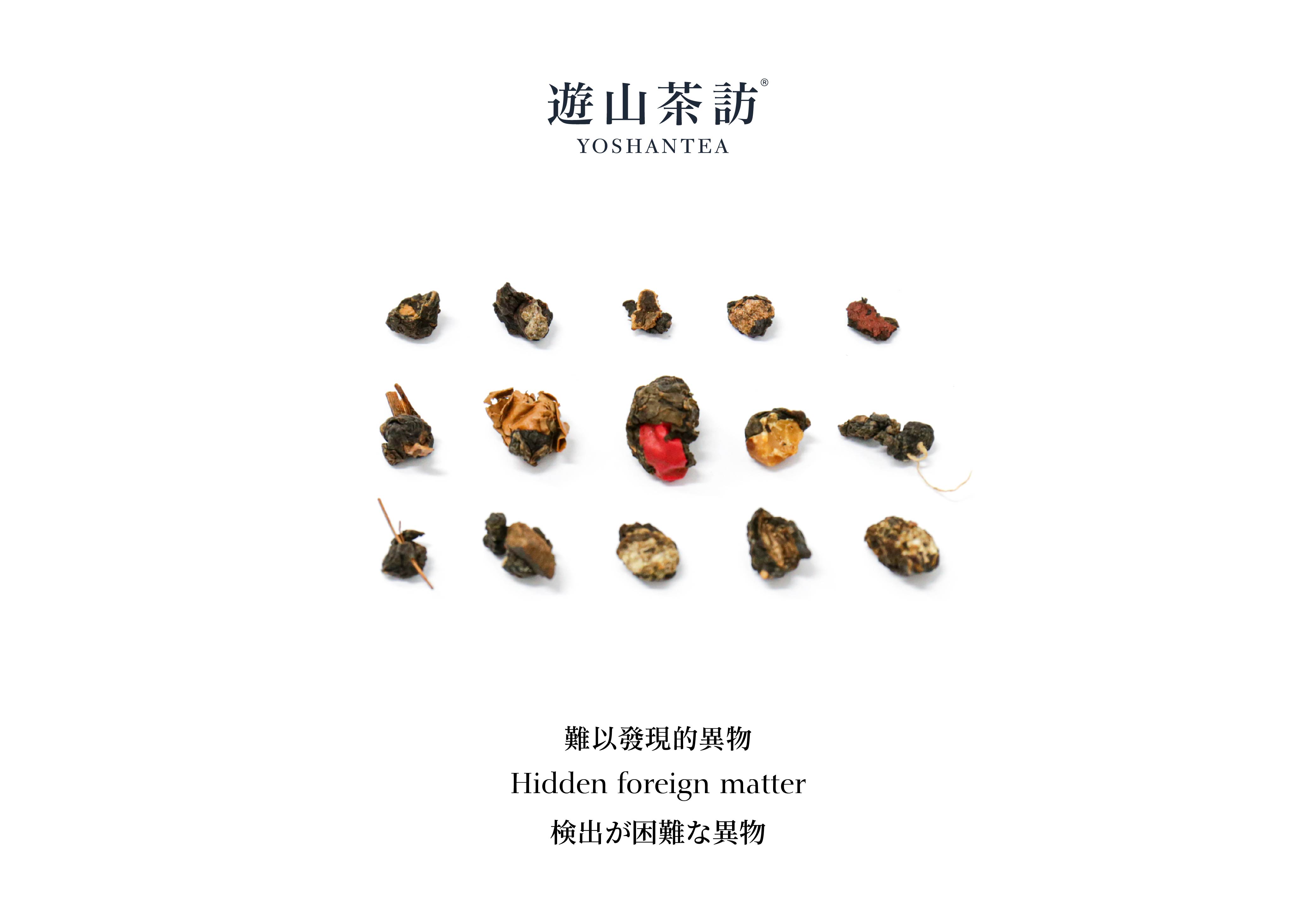
Ensuring tea remains free from foreign matter contamination is a significant challenge.
Today, I'll share knowledge about preventing foreign matter contamination in tea.
What is Foreign Matter in Tea?
Food hazards can be categorized into three types:
"physical hazards," "biological hazards," and "chemical hazards.
" Foreign matter in tea falls under "physical hazards,"
referring to substances in food that cause human disgust or harm to health.
Common foreign matter in tea can be classified as follows:
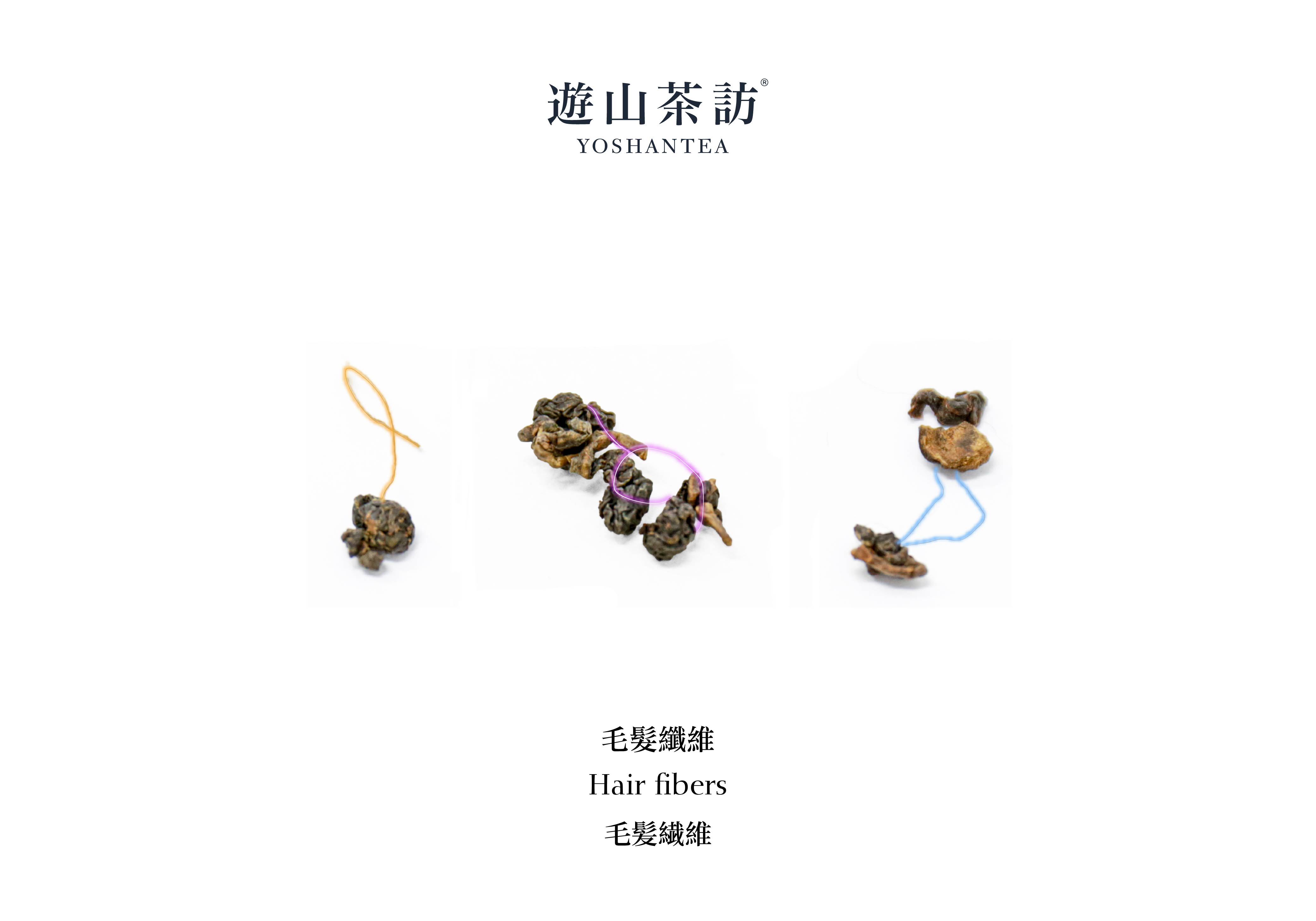
1. Animal-derived foreign matter: hair, insects, feathers
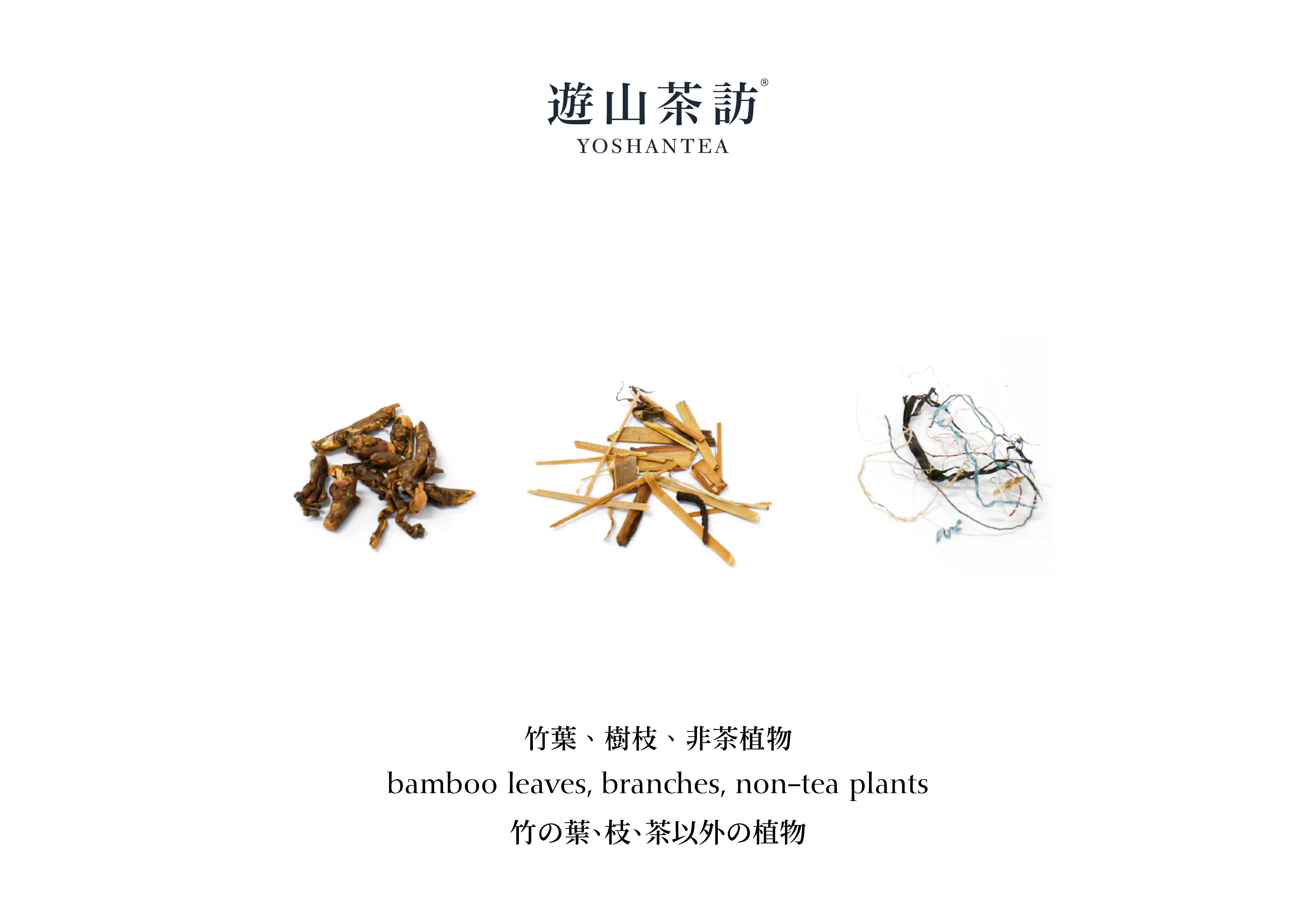
2. Plant-derived foreign matter: weeds, bamboo leaves, branches, tea seeds, non-tea plants
3. Mineral foreign matter: stones, sand, chemical fibers
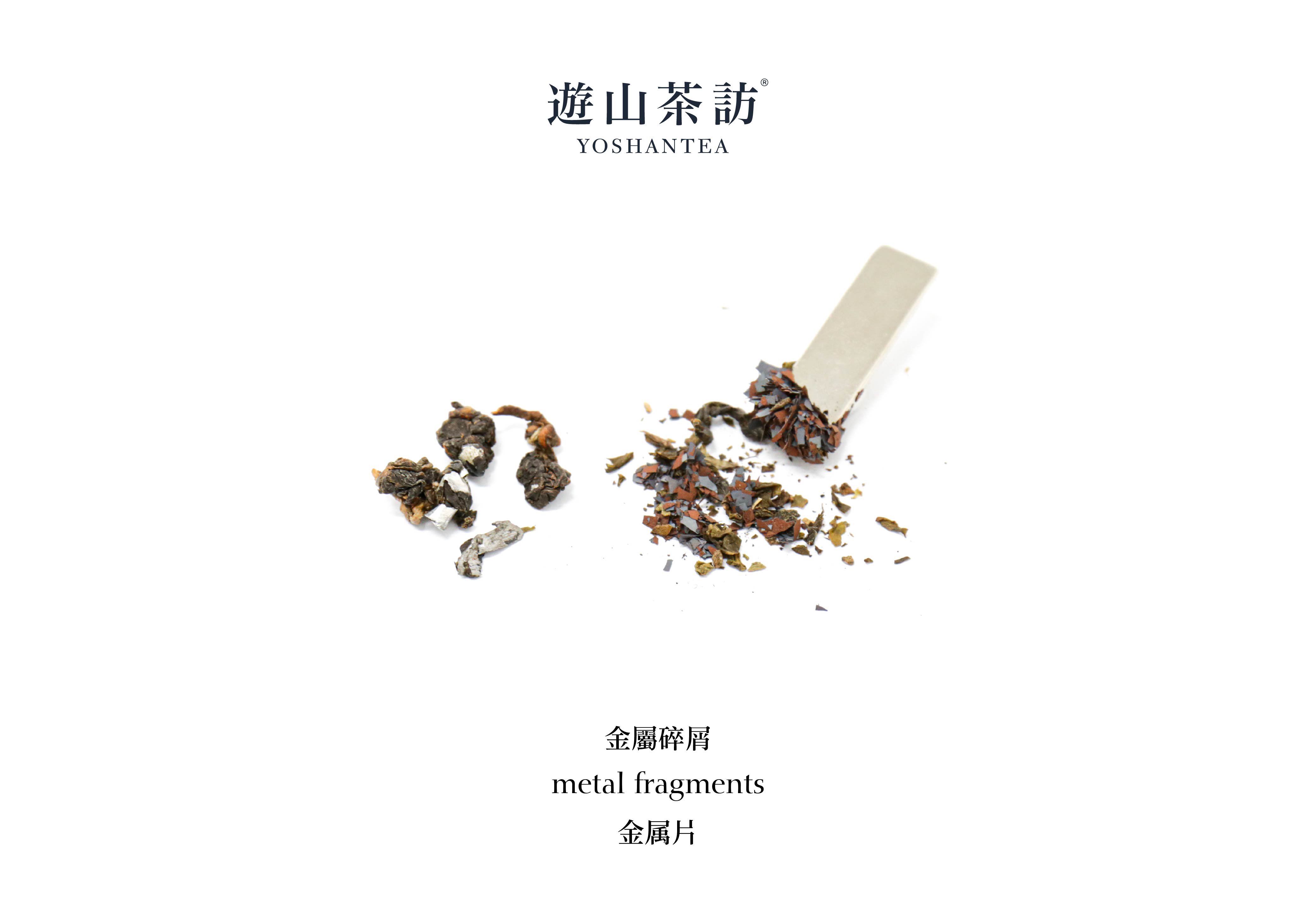
4. Process-derived foreign matter: metal fragments, broom bristles, glass, plastic pieces
Among these, metal, glass, and plastic pieces are high-risk foreign matter that can easily cause physical harm after consumption.
While other foreign matter may not directly harm the body,
they severely impact brand reputation and consumer confidence.
How to Identify Sources of Tea Foreign Matter?
The "5M Analysis Method" can be used to systematically examine five aspects:
Man, Machine, Material, Method, and Environment:
1. Man: hair, false eyelashes, jewelry, glove fragments, buttons, food debris, and even malicious additions
2. Machine: screws, wires, rust from heating pipe corrosion, equipment paint flaking, maintenance tool residue
3. Material: vacuum bag damage fragments, insects hidden in cardboard boxes, canvas, and bamboo sieve fragments used in tea processing
4. Method: mixed-use roasting machines (e.g., tea and Chinese medicine), tea baskets contaminated with mud and stones,
tape fragments from tea-picking knife fixation
5. Environment: dirty environment, poor workflow, inadequate hygiene management, failed pest control, unrestricted pet movement
How to Handle Foreign Matter Discovered in Tea?
If consumers discover foreign matter,
businesses should properly handle customer complaints and trace the source.
When factories discover foreign matter during production, don't rush to discard it.
Every piece of foreign matter represents an anomalous event.
For example, if iron shavings and flaky iron powder are found in tea dust,
this may indicate internal wall rust in the dryer heating pipes,
requiring immediate rust prevention treatment or component replacement.
Through foreign matter analysis, root causes can be identified,
preventive measures established, and recurrence avoided.
How Common is Foreign Matter in Tea?
According to data accumulated by Yoshantea,
foreign matter content in Taiwanese refined tea is less than one per thousand (0.1%).
The production process of Taiwanese refined tea is quite meticulous,
involving multiple screening and color sorting procedures, making foreign matter in tea quite rare.
Since tea is typically consumed in small quantities and tea leaves unfold clearly when brewed,
any foreign matter is easily detected.
Achieving 100% complete absence of foreign matter in Taiwanese refined tea remains our greatest challenge.
What Types of Foreign Matter are Most Difficult to Remove?
Foreign matter identification methods mainly include manual visual inspection and automated optical inspection (camera color sorting).
Human eye identification is quite accurate,
but has the drawbacks of slow speed and easy fatigue.
Both human eyes and cameras face common challenges:
- Difficult to distinguish the same-color foreign matter, such as green beetle similar in color to oolong tea leaves
- Hidden positions: foreign matter concealed inside tea leaves or on the back
- Fine fibers: hair is particularly difficult to remove, especially when wrapped inside tea leaves with only a small segment exposed
This is why manual re-inspection is still necessary even with advanced color sorting equipment.
Advanced Discussion Questions
Here are several questions related to tea foreign matter for deeper consideration:
Q1: Are insects classified as physical hazards or biological hazards?
Q2: During outdoor tea withering, how can physical hazards from birds be prevented?
Q3: If the boss insists that pets should move freely and cannot be restricted during tea processing,how should this be handled?
The above information is provided for your reference. I hope you find it helpful.
See you next time!
#TeaSafety #FoodSafety #ForeignMatterControl #TeaQuality #TeaProcessing #QualityManagement #5MAnalysis #PhysicalHazards #TeaKnowledge #FoodHygiene #TeaIndustry #yoshantea #taiwantea #dongdingtea #oolongtea #teafactory #FSSC22000 #safetea