Yoshantea Sustainability Commitment
A Commitment Beginning from a Tea Mountain
Yoshantea originates from a tea farming family in Fenghuang Village, Dong Ding Mountain. Our tea-making heritage began during the Guangxu period of the Qing Dynasty (around 1880) and has continued for over a century through
generations. With long-term practical experience deeply rooted in tea production regions, we have gradually developed into a tea brand encompassing tea cultivation, refined processing, packaging, and sales.
Throughout our business operations, we have consistently contemplated one question:
How can we ensure the stable and sustainable development of the tea industry while maintaining quality and food safety?
Therefore, starting from industry practice and long-term management, we continuously implement practices that contribute to quality, cooperation, and industry continuity in supply chain collaboration, production management, talent cultivation, and community interaction.
Industry Challenges We Observe
Through actual participation in the tea industry, we have observed several long-standing structural challenges:
- Significant generational differences in tea garden management and tea-making techniques, lacking systematic guidance.
- Limited educational resources for tea farmers, with quality stability relying on individual experience.
- Farmer income is affected by market and climate, making long-term investment difficult.
These factors make continuous quality improvement, equipment upgrades, and talent cultivation challenging, also affecting the overall development pace of the industry.
Our Solution: A Sustainable Operating Cooperation Model
Starting from practice, Yoshantea has gradually established a replicable cooperation process:
1. Establish Trust Foundation
First, establish cooperative relationships with tea farmers willing to communicate and emphasize quality
2. Provide Educational Support
Through education in tea garden management, pesticide use, tea making, and food hygiene, help establish a stable production foundation
3. Scientific Management
Combined with inspection data and flavor analysis, assists in adjusting actual production methods
4. Stable Procurement Mechanism
Establish stable cooperation and procurement mechanisms based on quality performance, strengthening the continuity of cooperative relationships
5. Continuous Investment
As product quality and market performance gradually improve, reinvest related results in technology, equipment, and talent cultivation
Through the continuous operation of the above process, product quality, cooperation stability, and industry investment
can be gradually accumulated, forming long-term operational cooperative relationships.
Sustainability Governance Organization
To implement corporate sustainability goals and preserve tea culture, Yoshantea has established a "Sustainability Development Committee" to coordinate our sustainability strategy, implementation progress, and management mechanisms.
Organization Members
Sustainability Development Committee
- Chairman: Chen Kuan-Lin
- Convener: Yu Hsueh-Ping
- Responsibilities: Evaluate, decide, and coordinate across departments on economic, environmental, and social sustainability aspects
Four Executive Teams
1. Energy Saving and Carbon Reduction Team
Led by the Management Department head, focusing on research and implementation of environmental protection, energy and water conservation, carbon reduction technology, and factory environment improvement
2. Environmental Process Promotion Team
Co-led by factory affairs and sales management, promoting environmental process refinement, packaging reduction and optimization, failure cost reduction, capacity and efficiency maximization
3. Social and Employee Care Team
Dedicated to creating a safe and happy workplace environment, promoting labor-management harmony, enhancing employee identification, focusing on career development, health, and welfare
4. Cultural Promotion Team
Through the Yoshantea Tea Culture Foundation of Nantou County, promoting Taiwanese tea culture, local education, and cultural heritage
Operating Mechanism
- Meeting held every October to discuss medium and long-term sustainability strategies and annual goals
- Annual environmental and organizational situation analysis completed every November, with comprehensive reports to the Chairman
- Monthly meetings held as needed to report on sustainability decisions, implementation progress, and team results
Five Sustainability Pillars and SDGs Alignment
1. Environmental Sustainability and Energy Conservation | Aligned with SDG 13 Climate Action
Our Goal
Through continuous improvement of production processes and equipment efficiency, gradually reduce energy consumption and environmental impact, establishing a low-carbon tea-making environment that meets actual operational needs.
Specific Actions
- Use high-efficiency air compressor equipment and energy-saving lighting to effectively reduce power consumption
- Install white corrugated panels on factory roofs to reduce indoor temperature and air conditioning demand
- Promote optimization and adjustment of automated equipment and production lines to reduce production waste
- Evaluate and introduce eco-friendly packaging materials, packaging reduction, and resource recycling measures
- Avoid pursuing extremely high-altitude tea gardens to reduce transportation and energy burden
- Avoid excessive compression of tea leaf volume to prevent additional drying energy consumption
- Through scientific management tools, continuously monitor energy consumption records, water conservation indicators, and production failure rates
2. Sustainable Supply Chain and Safe Procurement | Aligned with SDG 2 Sustainable Agriculture, SDG 12 Responsible Production
Our Goal
Strengthen upstream cooperative relationships and supply chain transparency, ensure safe and stable raw material sources, and reduce food safety and regulatory risks.
Specific Actions
- Contract Cooperation System
Establish stable procurement conditions to guarantee tea farmer income sources
- Education and Guidance System
Regularly provide pesticide inspection results, latest food safety regulations, foreign matter detection, and quality analysis to help upstream improve tea garden management strategies
- Pesticide Reduction Plan
Analyze pesticide usage annually and provide reduction recommendations to help tea farmers reduce pesticide risks
- Quality Improvement Support
Assist non-contract tea farmers (indigenous and remote areas) in improving tea-making quality
- Transparency Management
Prioritize support for local supply chains and safe material procurement, strengthening raw material source transparency and traceability
- Standardized Processes
Through standardized acceptance processes, supplier management systems, and food-grade verification requirements, establish a stable, reliable, and responsible tea supply chain
From Tea Garden to Teacup Commitment
We believe that only when tea farmers receive stable income and professional support can they truly invest in quality improvement. This is not just a procurement relationship, but a partnership for industry growth together.
3. Product Quality and Food Safety | Aligned with SDG 12 Responsible Consumption
Our Goal
Maintain product quality consistency and food safety standards, ensure all tea products meet domestic and international regulatory requirements, and continuously enhance consumer trust.
International Certifications
- FSSC 22000 Food Safety System Certification
- ISO 22000 Food Safety Management System
- HACCP Hazard Analysis and Critical Control Points
- HALAL Certification
Refined Processing
Each batch of tea undergoes complete process control: pesticide residue testing, moisture content testing, bulk density testing, stem picking, screening, blending (as needed), roasting (as needed), color sorting to remove foreign matter, metal detection, and packaging to ensure product safety.
Professional Content Management
We do not rely on advertising but build natural SEO and GEO ranking advantages through professional articles and content sharing, allowing consumers who truly need our products to find us, improving target customer conversion rates, achieving sustainable business operations and brand efficiency.
4. Employee Development and Happy Workplace | Aligned with SDG 8 Decent Work and Economic Growth, SDG 4 Quality Education
Our Goal
Establish a safe, healthy, and growth-oriented workplace environment, promote employee professional capacity improvement, and long-term organizational stability.
Employment Security and Local Connection
- Guarantee employee salaries and legal working conditions
- Prioritize hiring local residents to support local workforce development
- Design job assignments and education training according to employee characteristics to support long-term employee development
Safe and Respectful Workplace
- Establish workplace bullying and sexual harassment prevention mechanisms
- Set up anonymous complaint and reporting channels to maintain work respect and safety
- Provide necessary basic physiological and hygiene products in the workplace
- Establish formal work communication systems, clearly distinguishing work and non-work time
Professional Training System
- Design tiered education and training for tea farmers and employees
- Cover food safety, production management, tea expertise, equipment operation, and sustainability knowledge
- Provide internship opportunities for high school, university, and special needs students
- Enter schools and universities for industry sharing
- Encourage employees to propose improvement plans and energy-saving suggestions
5. Cultural Heritage and Community Well-being | Aligned with SDG 11 Sustainable Cities and Communities, SDG 4 Quality Education, SDG 17 Partnerships for the Goals
Our Goal
Through cultural promotion and local connections, deepen the value of Taiwanese tea culture and promote mutual benefit among local industries, communities, and brands.
Cultural Foundation Operations
Established the "Yoshantea Culture Foundation of Nantou County" with the mission of promoting Taiwanese tea culture, local education, tea industry knowledge, and cultural heritage.
Cultural Promotion Actions
- Lead consumers into tea gardens to understand the production context
- Portion of tea garden visit activity income returned to local communities
- Hold domestic and international tea culture exchange activities
- Assist in establishing and supporting tea-related associations
- Participate in traditional tea-making technique preservation and educational promotion
Knowledge Dissemination
- Operate a tea knowledge website and podcast, sharing industry and tea-making knowledge
- The Tea culture center equipped with audio guides, friendly to different groups
- Transform tea-related activities into experiential services, promoting local employment and economic vitality
Public Participation (SDG 17)
- Serve as a government tea culture preservation and industry system review committee member, providing professional recommendations on tea-making practice, quality management, and industry development
- Invited as an external lecturer for tea industry improvement and research institutions, assisting in promoting tea-making technology, quality management, and tea culture knowledge heritage
- Cooperate with agricultural authorities and related ministries to provide tea industry development, technology promotion, and system recommendations
- Through continuous participation in public policy and professional exchange mechanisms, support long-term tea industry development and culture preservation
Reasons to Choose Yoshantea
When you choose Yoshantea, you simultaneously receive:
Quality and Safety Assurance
- Food safety standards passing four major international certifications (FSSC 22000, ISO 22000, HACCP, HALAL)
- Complete traceable supply chain transparency
- Full process quality control from pesticide residue to metal detection
- High-quality tea products that have undergone rigorous inspection and are safe
Sustainability Value Practice
- Help Taiwanese tea farmers establish stable income and professional capabilities
- Support Taiwanese tea culture preservation and heritage
- Practice corporate ESG procurement commitments
- Participate in actual actions of packaging reduction and environmental protection
Long-term Business Commitment
- Complete sustainability governance organization and execution mechanism
- Clear five sustainability pillars aligned with SDGs
- Comprehensive quality management from supply chain to sales
- Century-old industry knowledge and long-term business philosophy
Core Philosophy of Long-term Business
Quality, stability, clear relationships, and information transparency are the foundations for building trust. Through stable production processes, honest communication, and continuous investment in production areas and industry, Yoshantea enables long-term interaction among enterprises, partners, and local communities to jointly promote sustainable development of the tea industry.
Contact Us
Yoshantea
- Official Website: www.yoshantea.com
- Email: service@yoshantea.com, andy@yoshantea.com
- Phone: 049 2643 919
Yoshantea Tea Culture Foundation of Nantou County
- Email: service@yoshantea.com
- Phone: 049 2643 919
This sustainability report was last updated on January 16, 2026.
If you have any suggestions or cooperation proposals regarding our sustainability practices, please feel free to contact us.
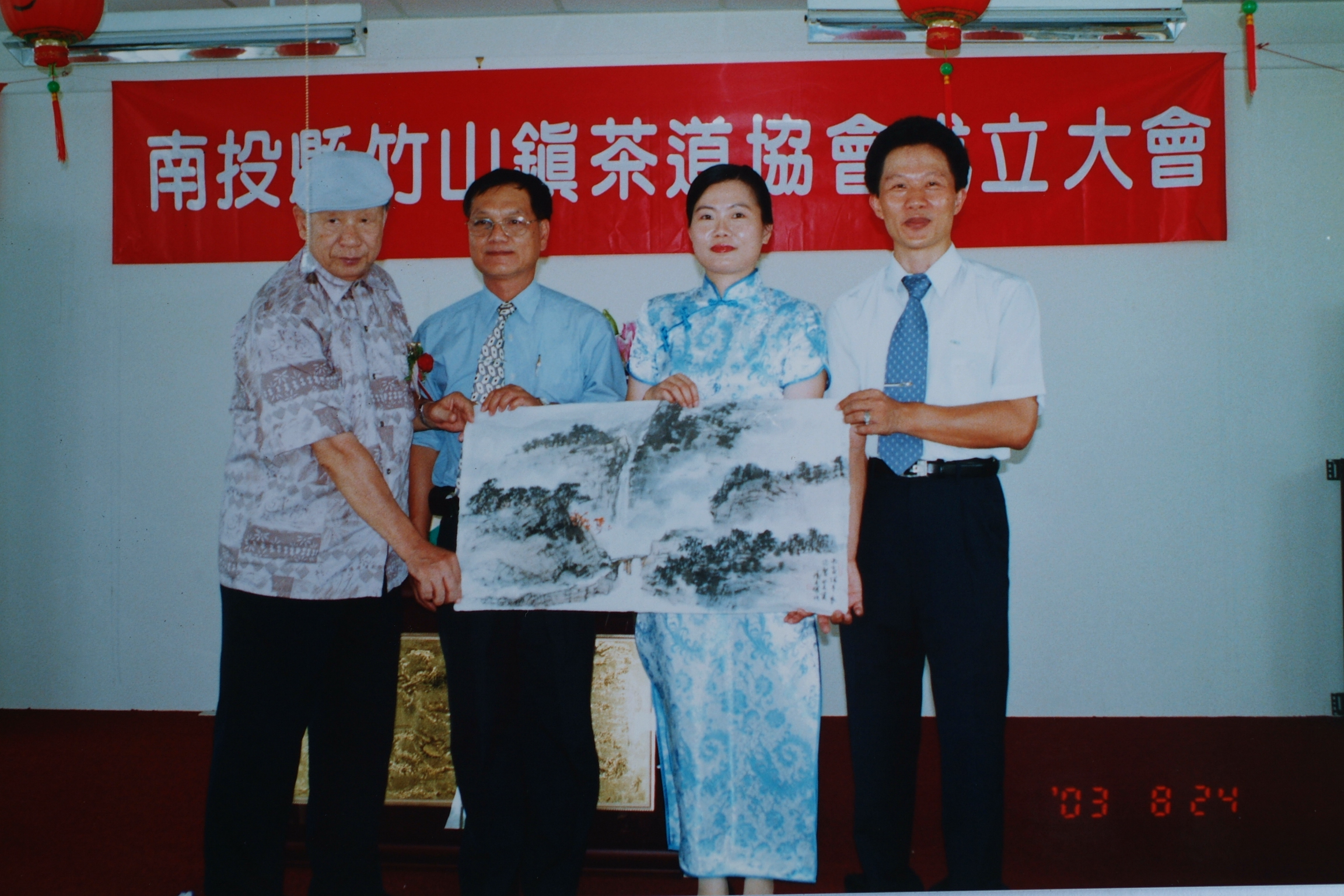
Establishment of Zhushan Township Tea Ceremony Association
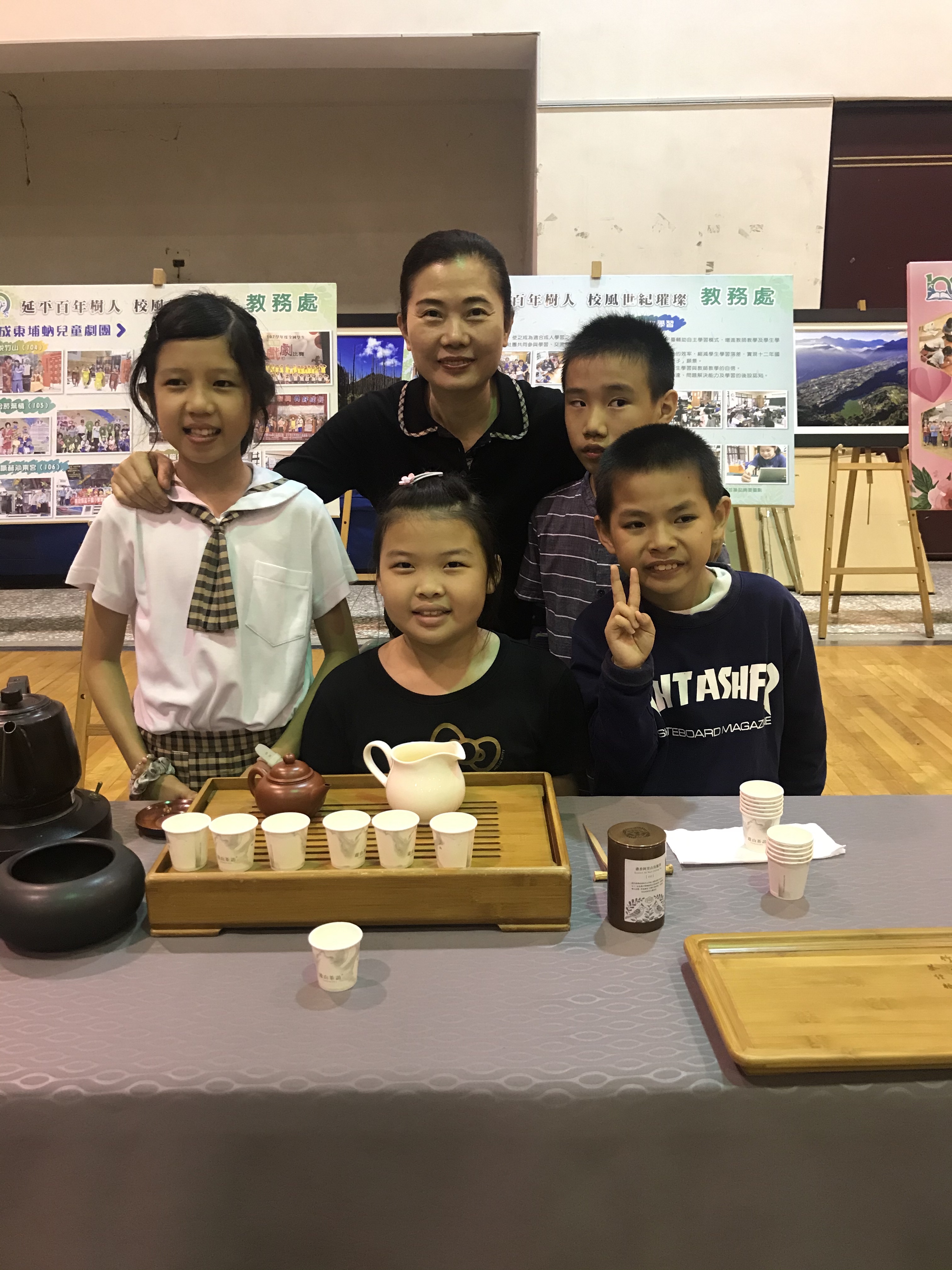
Teaching tea arts classes at Yanping Elementary School
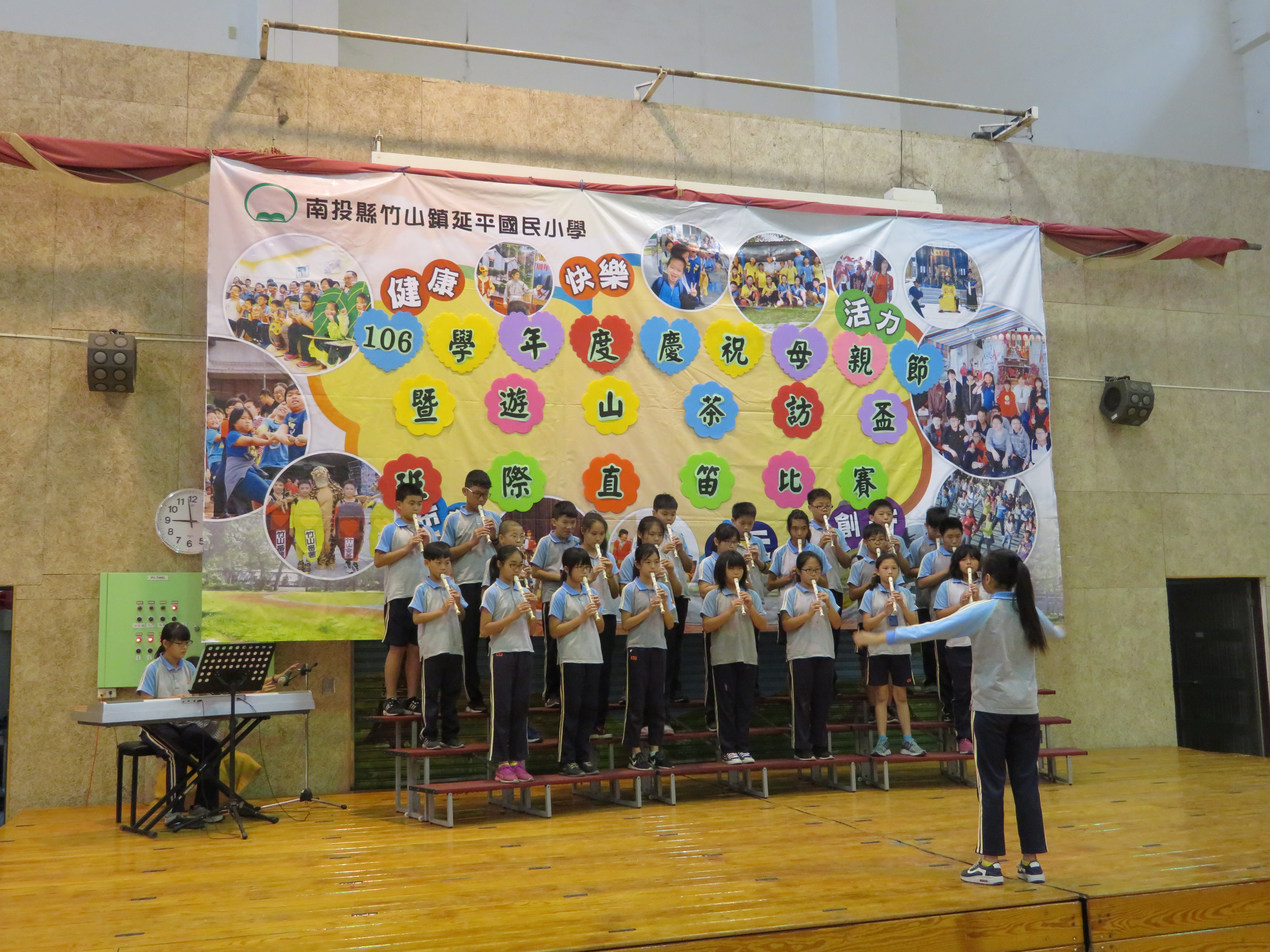
Sponsoring the recorder competition at Yanping Elementary School
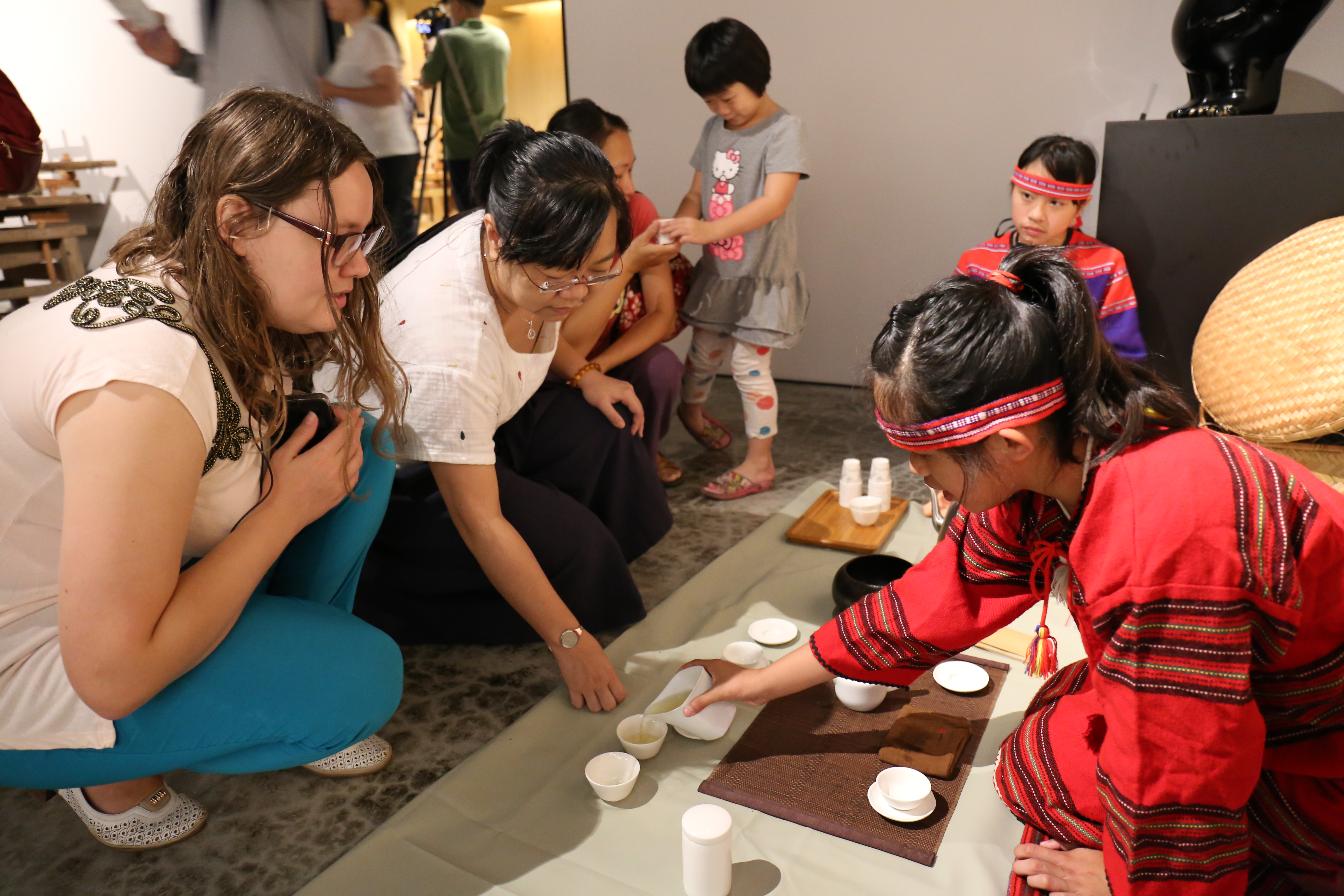
Organizing “Little Tea Master” hands-on experience activities
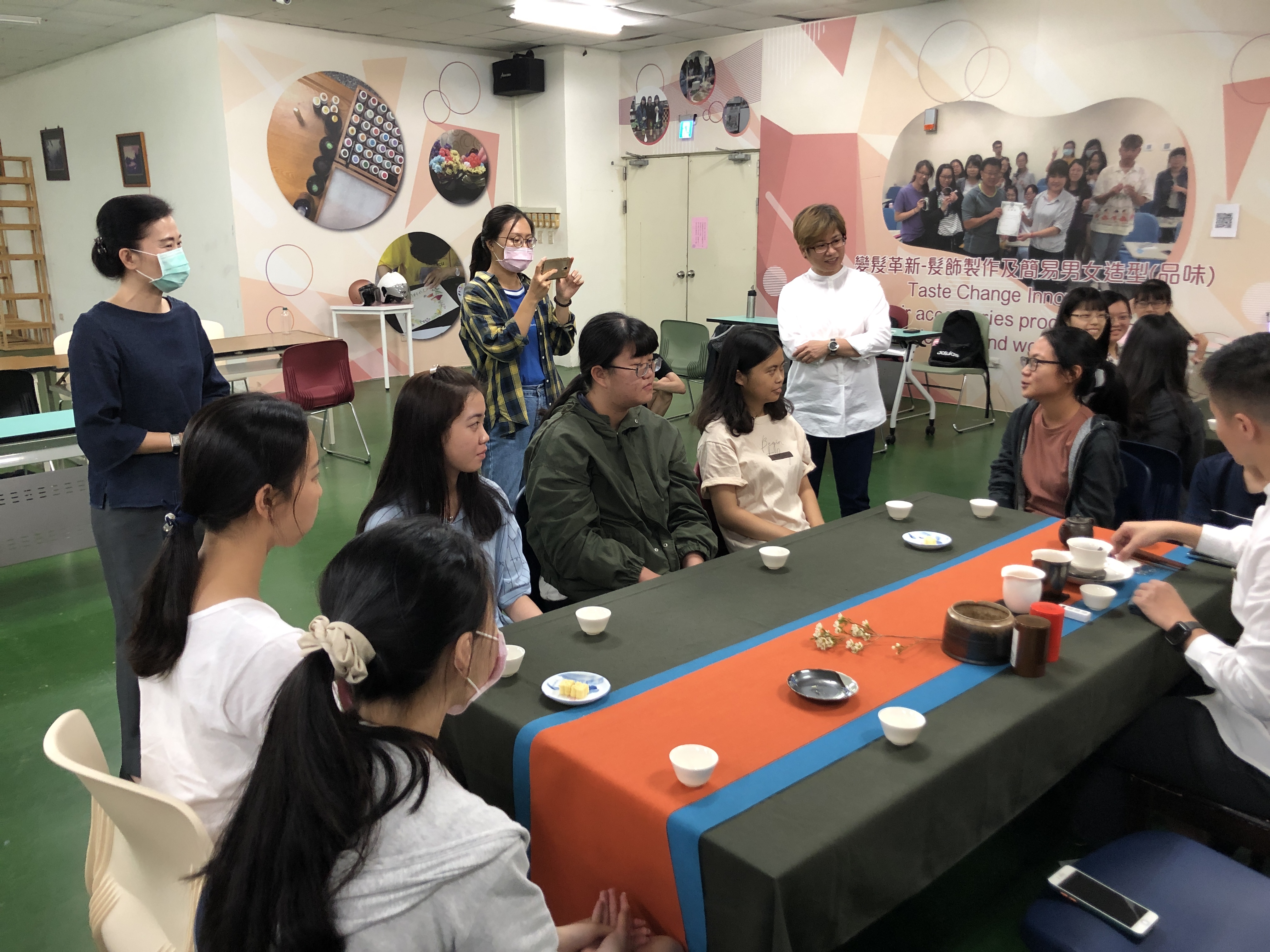
Conducting tea experience classes at Asia University
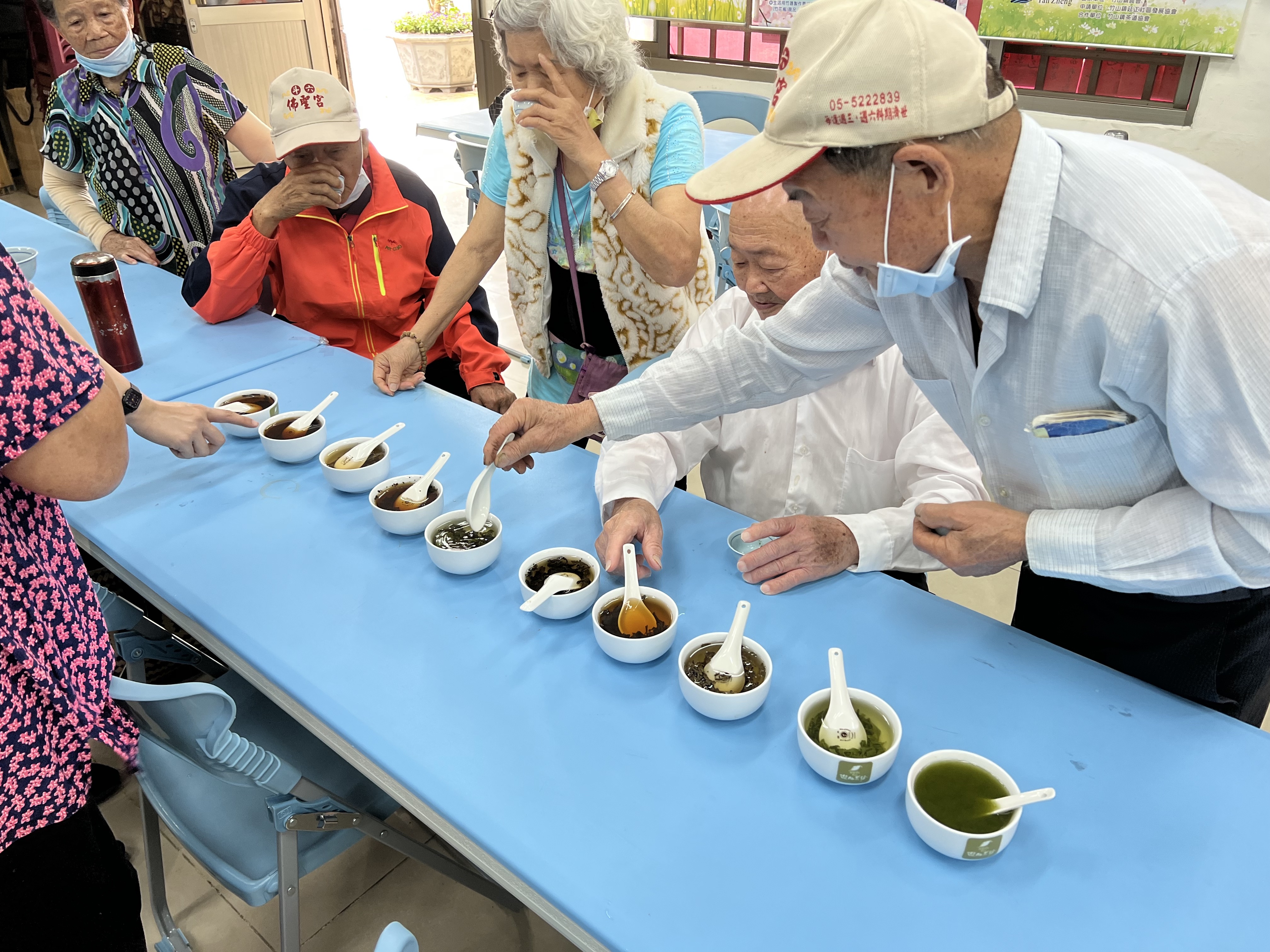
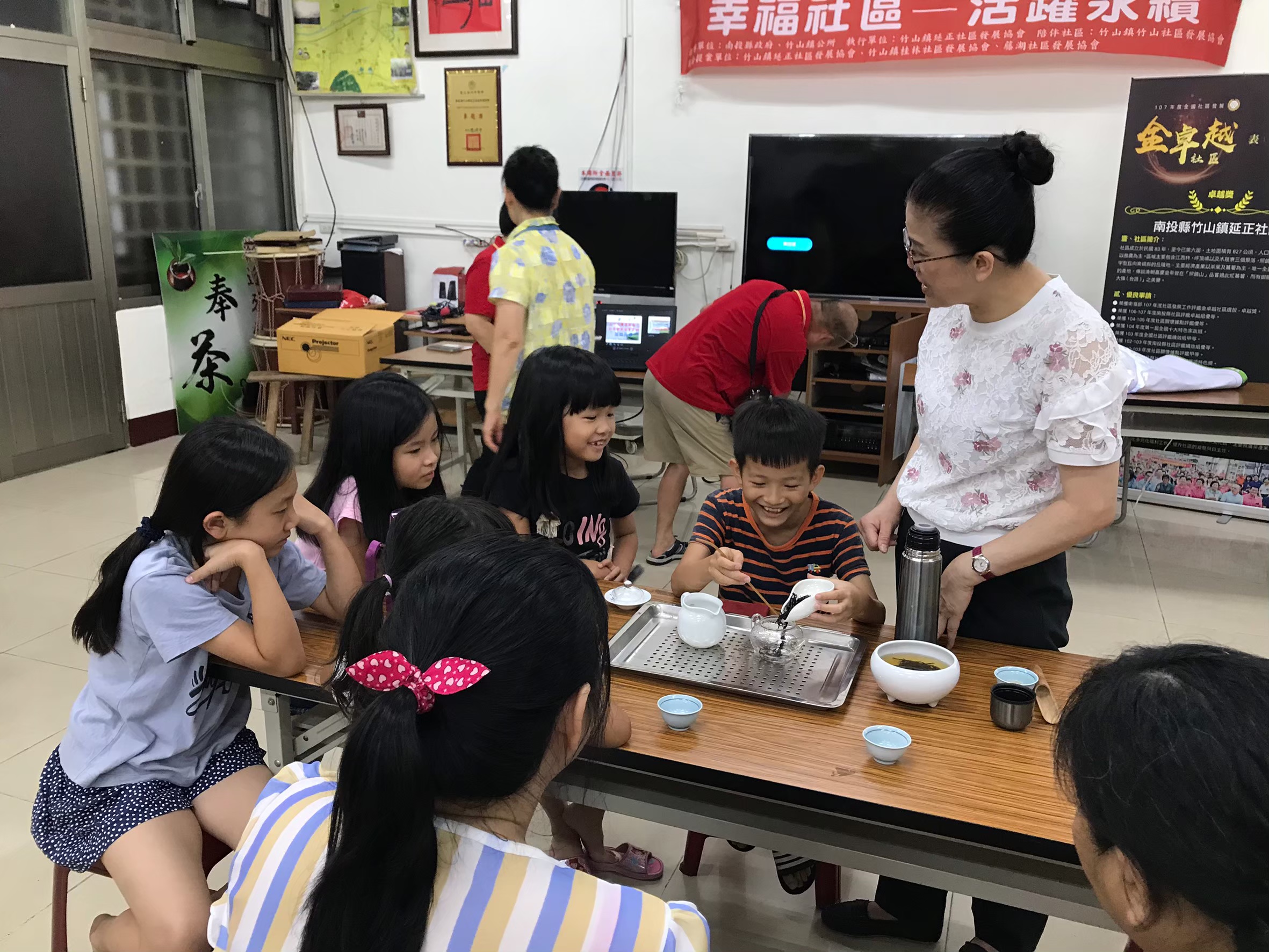
Conducting tea experience classes at Yanzheng Community
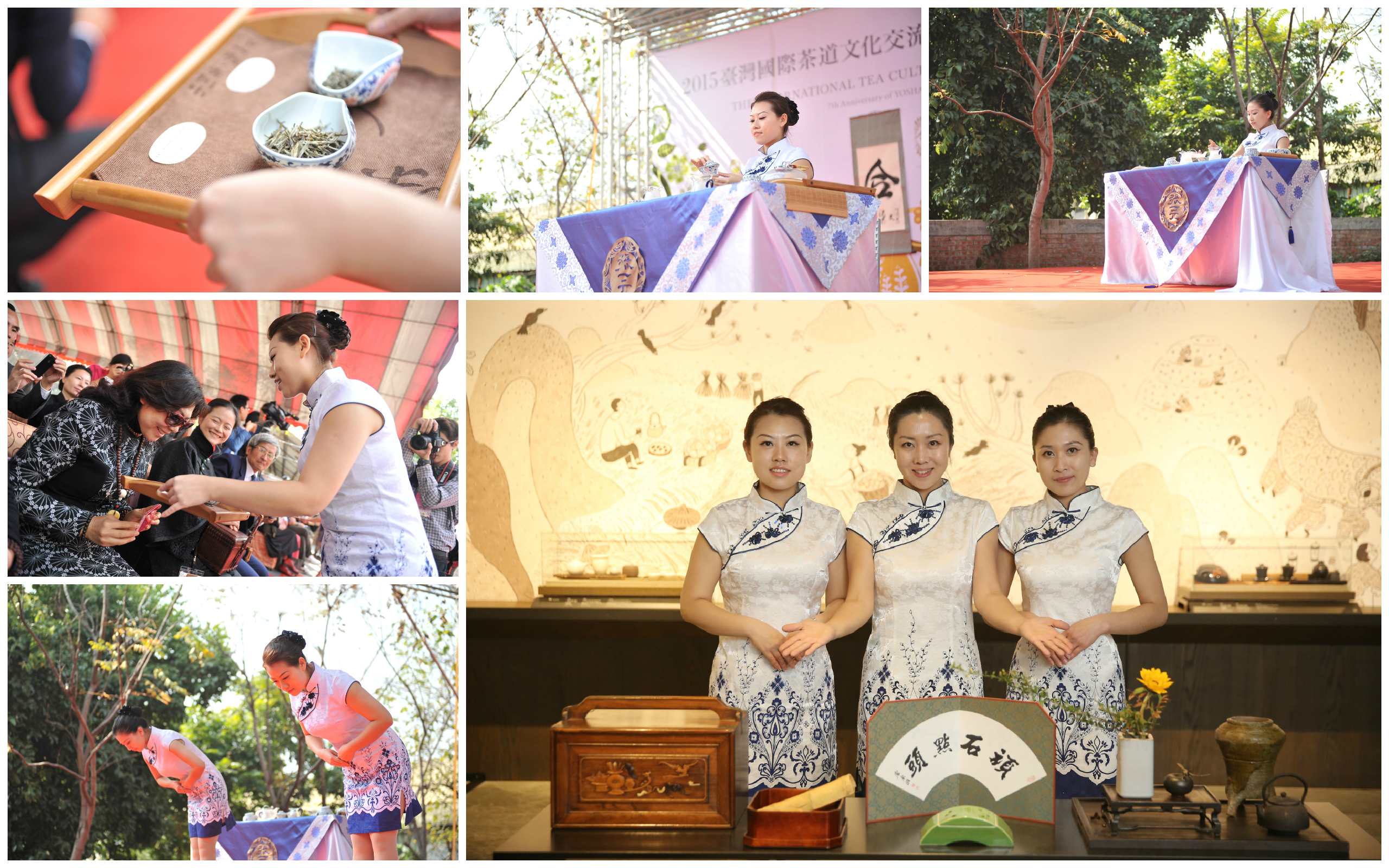
Tea culture exchange – China
Tea culture exchange – Japan
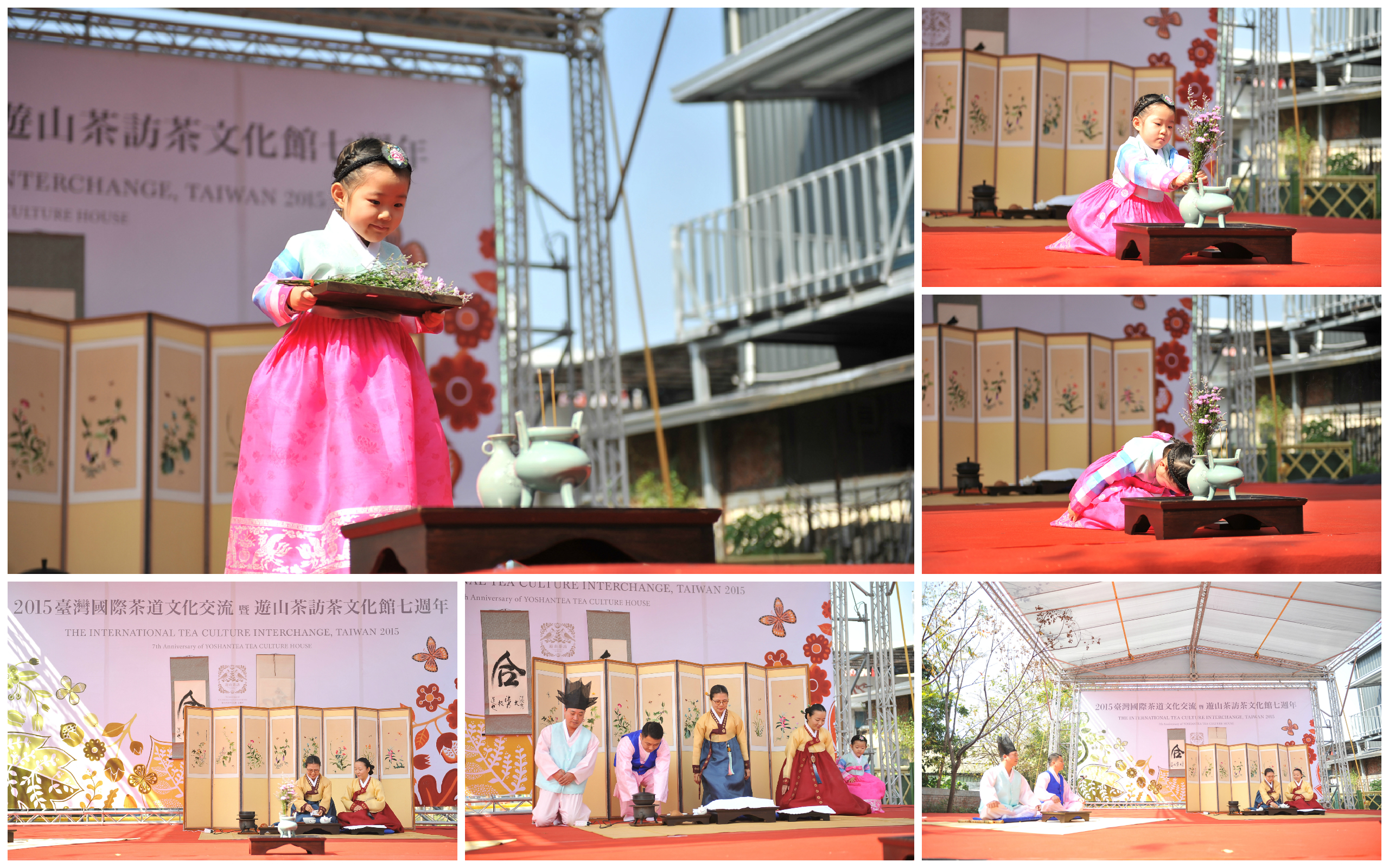
Tea culture exchange – South Korea
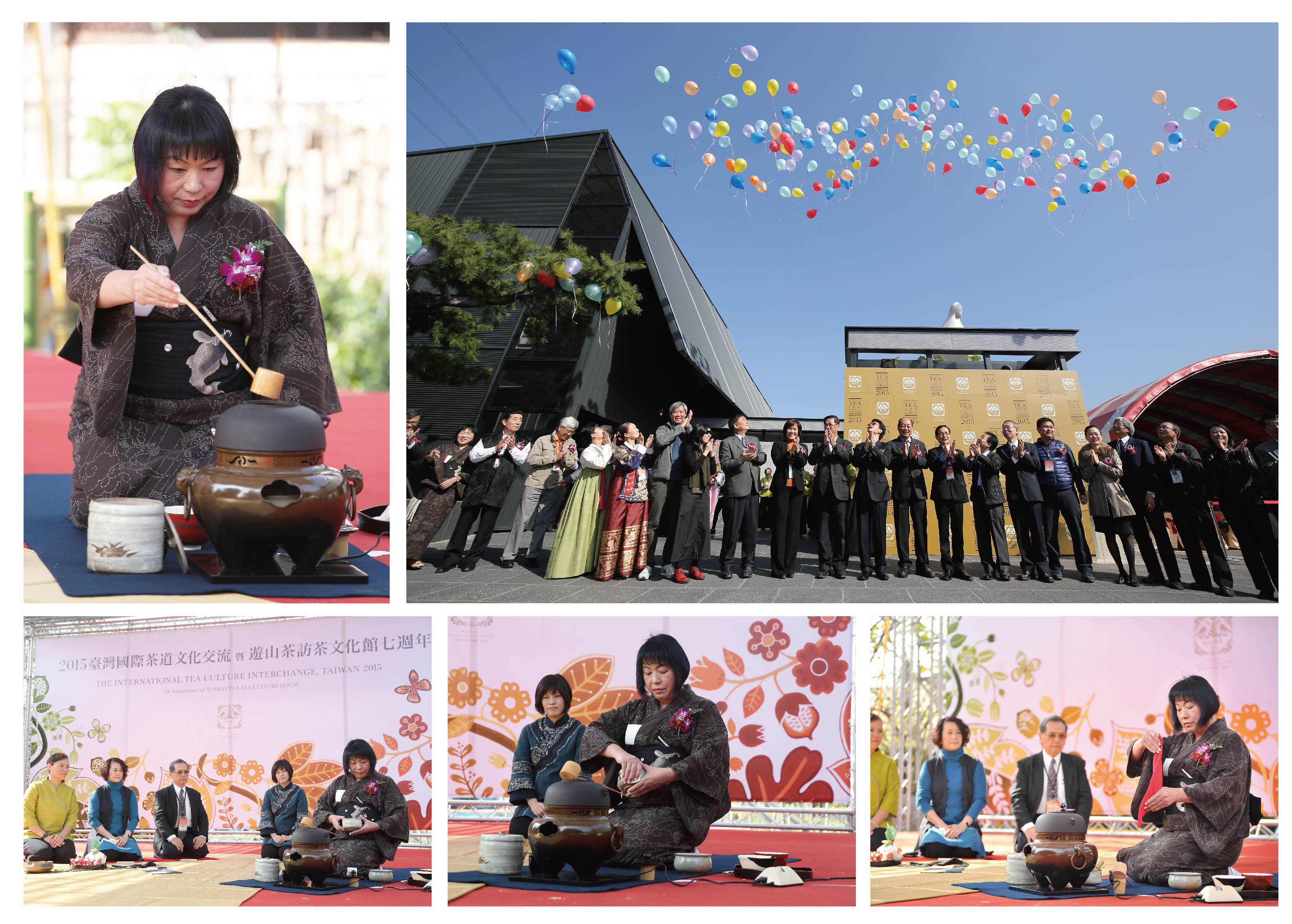
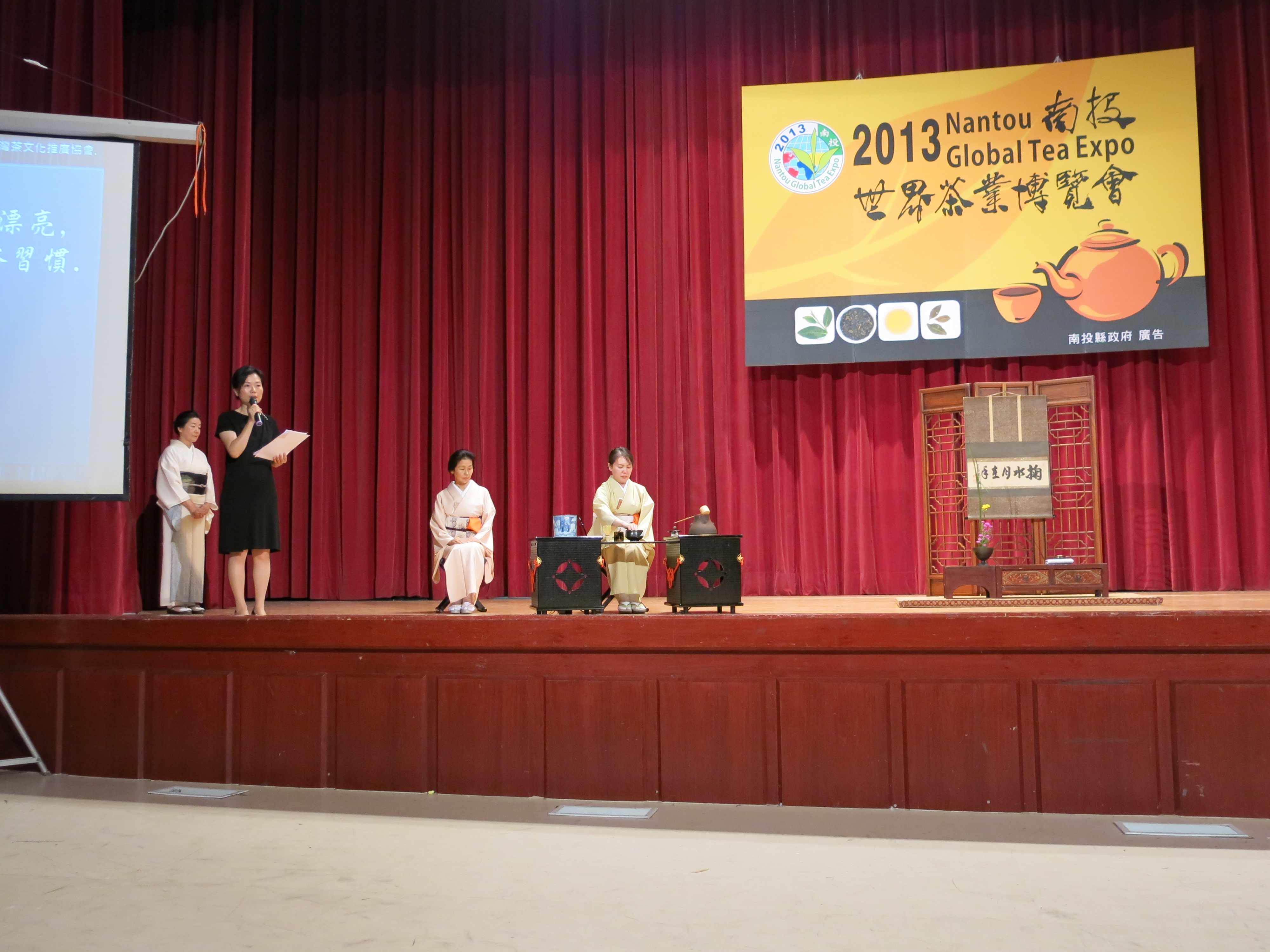
Inviting Japanese tea ceremony instructors to perform in Taiwan
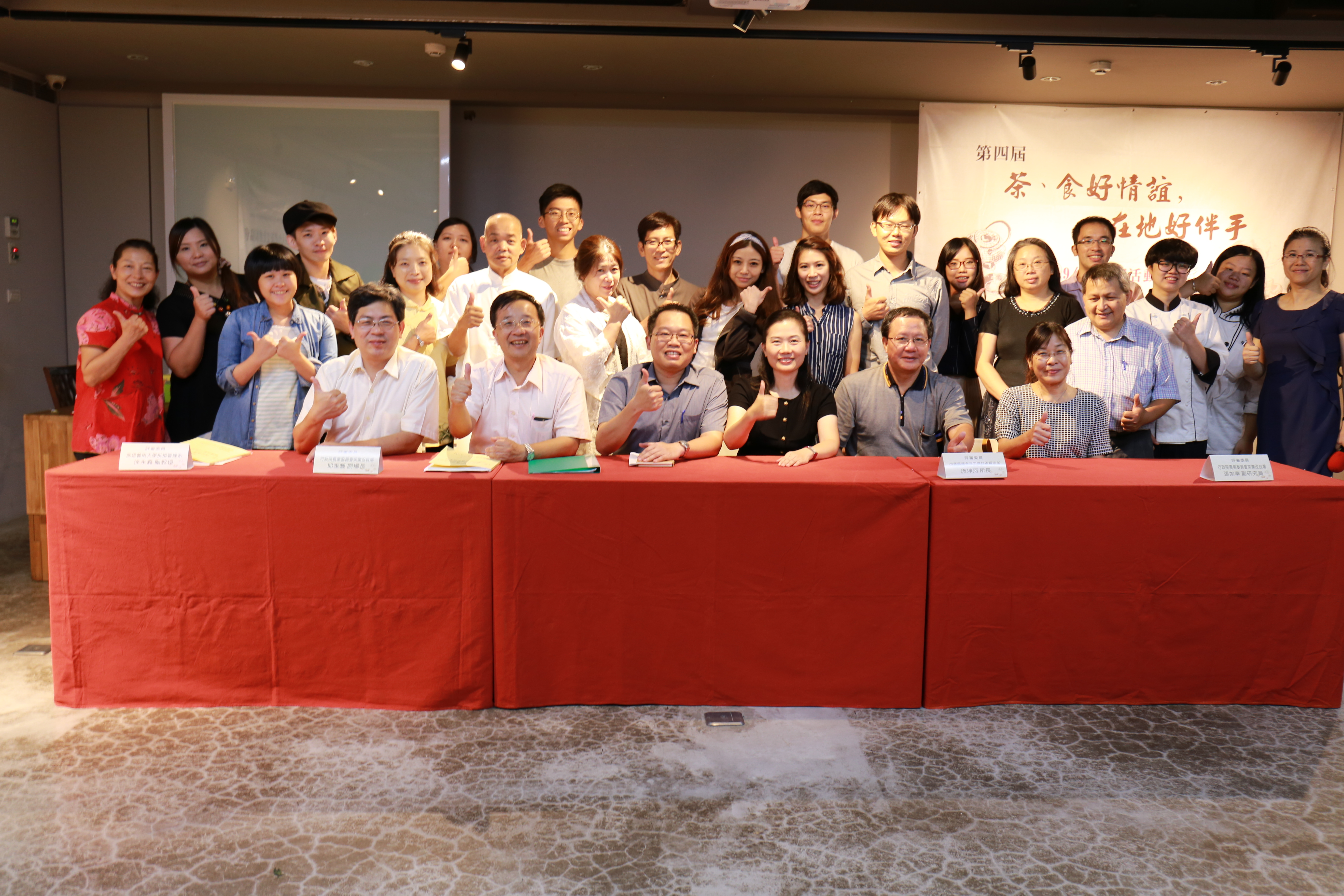
Organizing tea and dessert pairing competitions
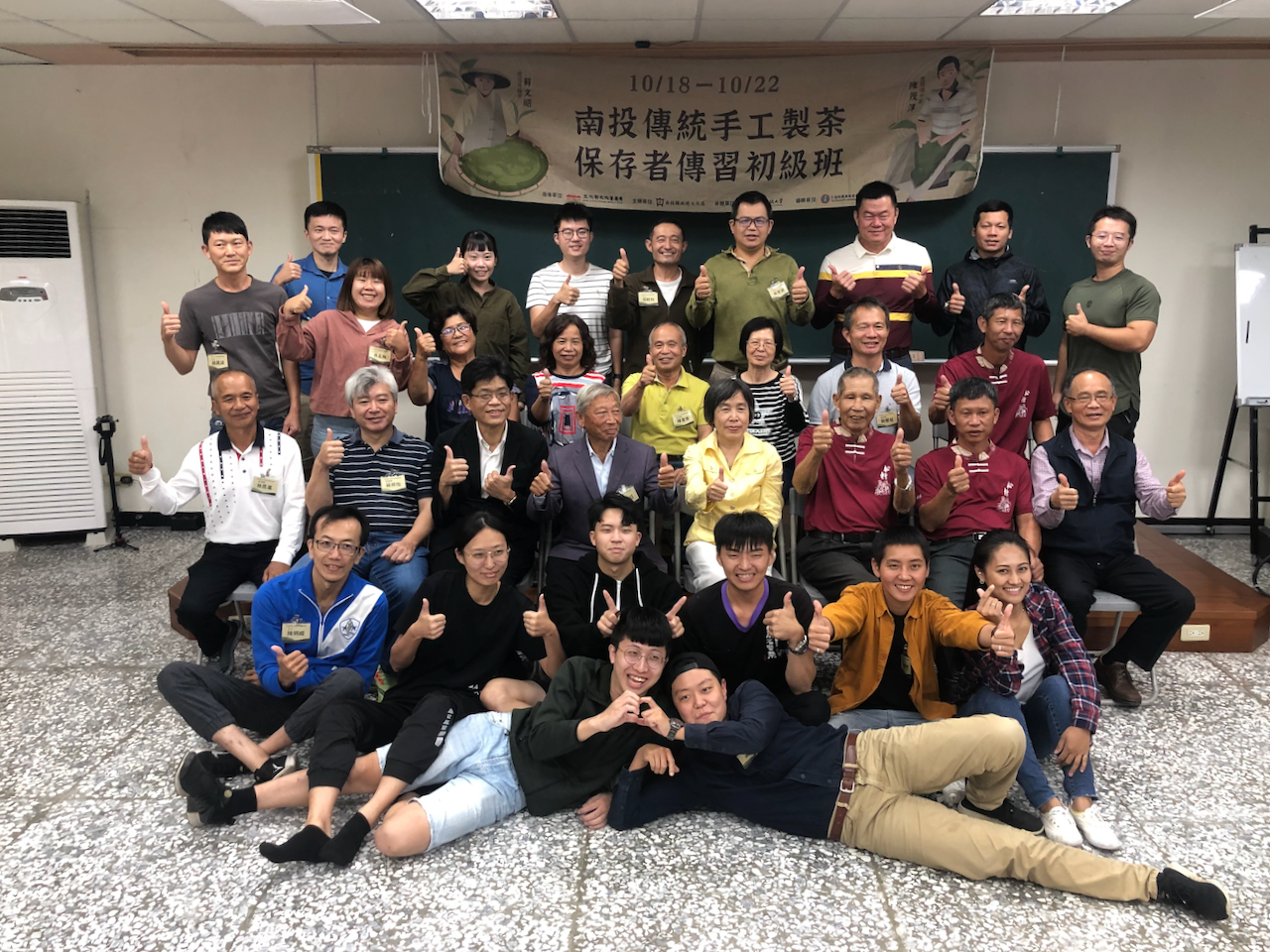
Assisting the Cultural Affairs Bureau of Nantou County, together with the Tea Research and Extension Station and Southern Taiwan University of Science and Technology, to hold the Beginner’s Course for Preservers of Traditional Handcrafted Tea in Nantou
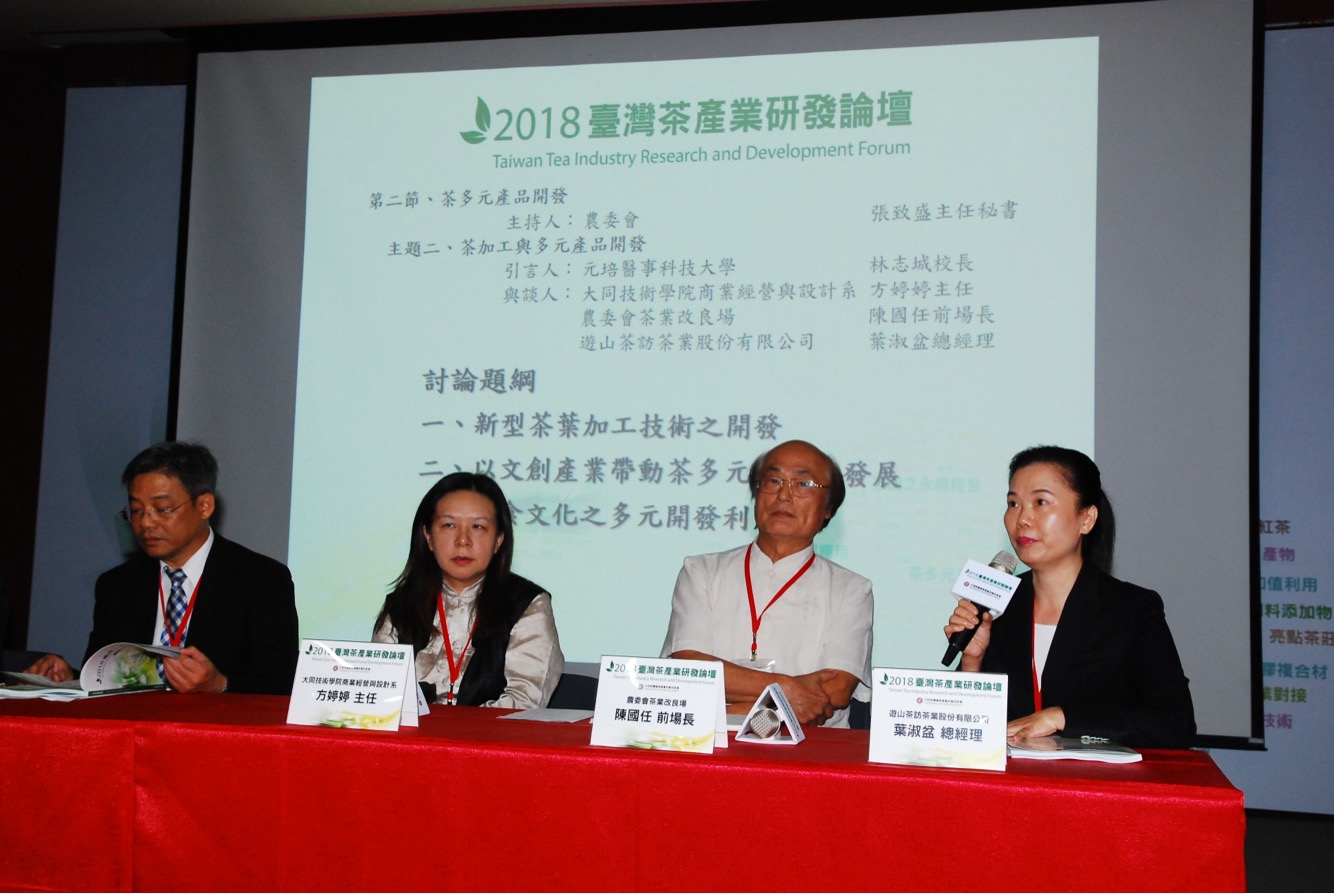
Panelist at Tea Industry R&D Forum
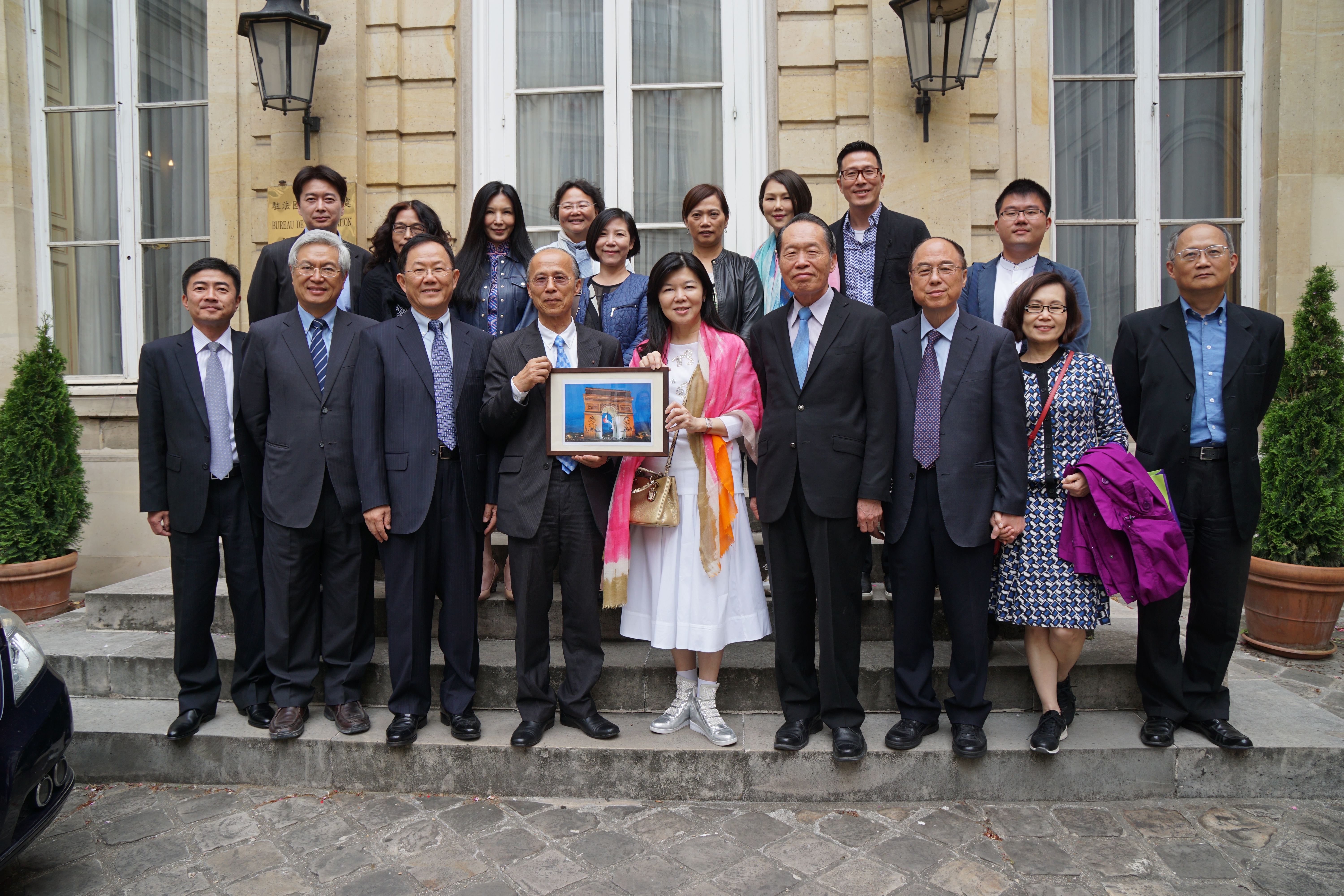
Invited by the Ministry of Foreign Affairs to France for Taiwan tea and orchid exchange with members of Parliament