Hello everyone.
I'm Andy, a tea enthusiast.
Since the pandemic, consumers have become far more attentive to food safety.
Tea leaves can be affected by three types of hazards that may harm your health after drinking.
These are physical, chemical, and biological factors.
What are common examples of each hazard in tea?
◇ Physical: foreign matter such as insects, feathers, metal, or stones
◇ Chemical: pesticide residue
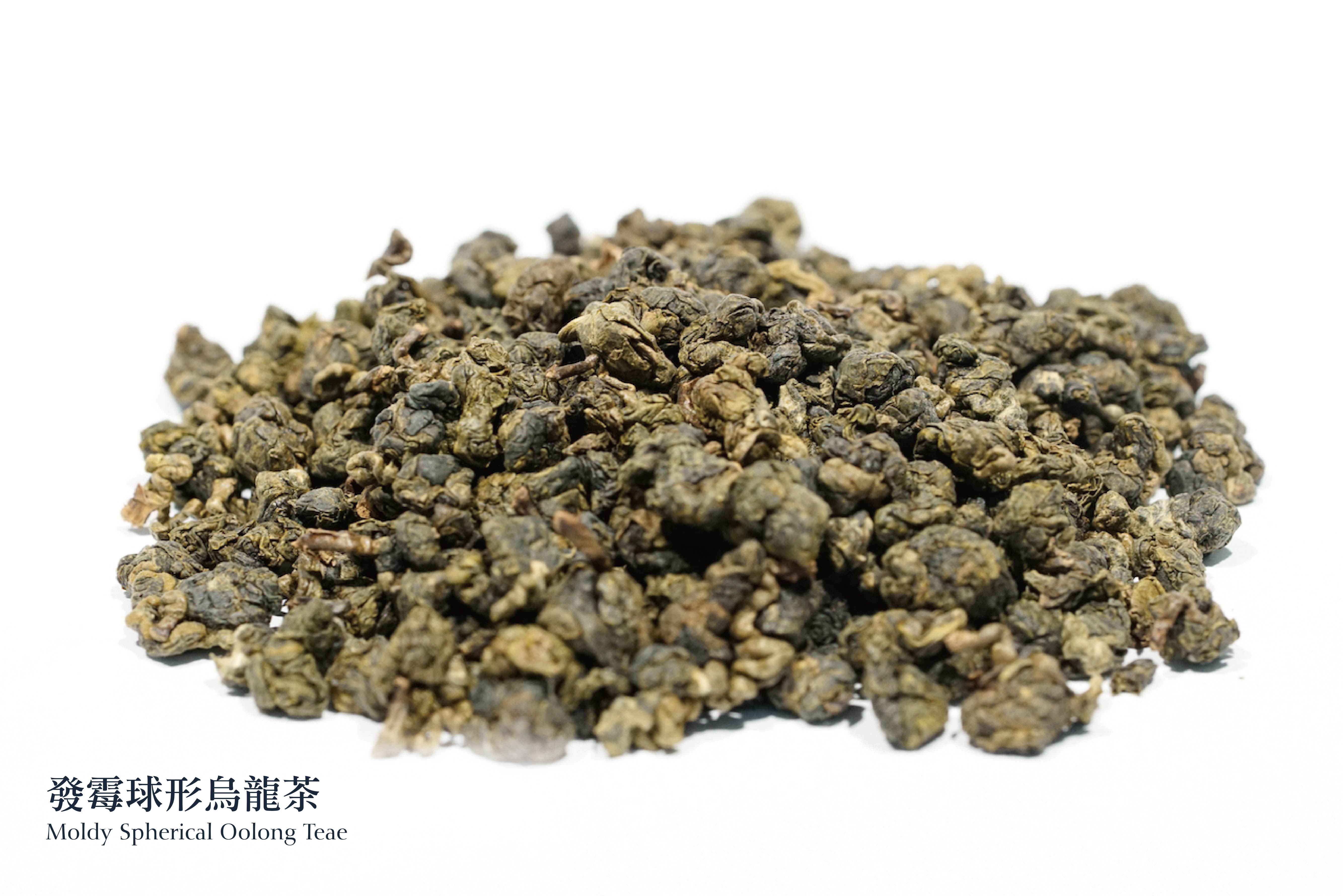
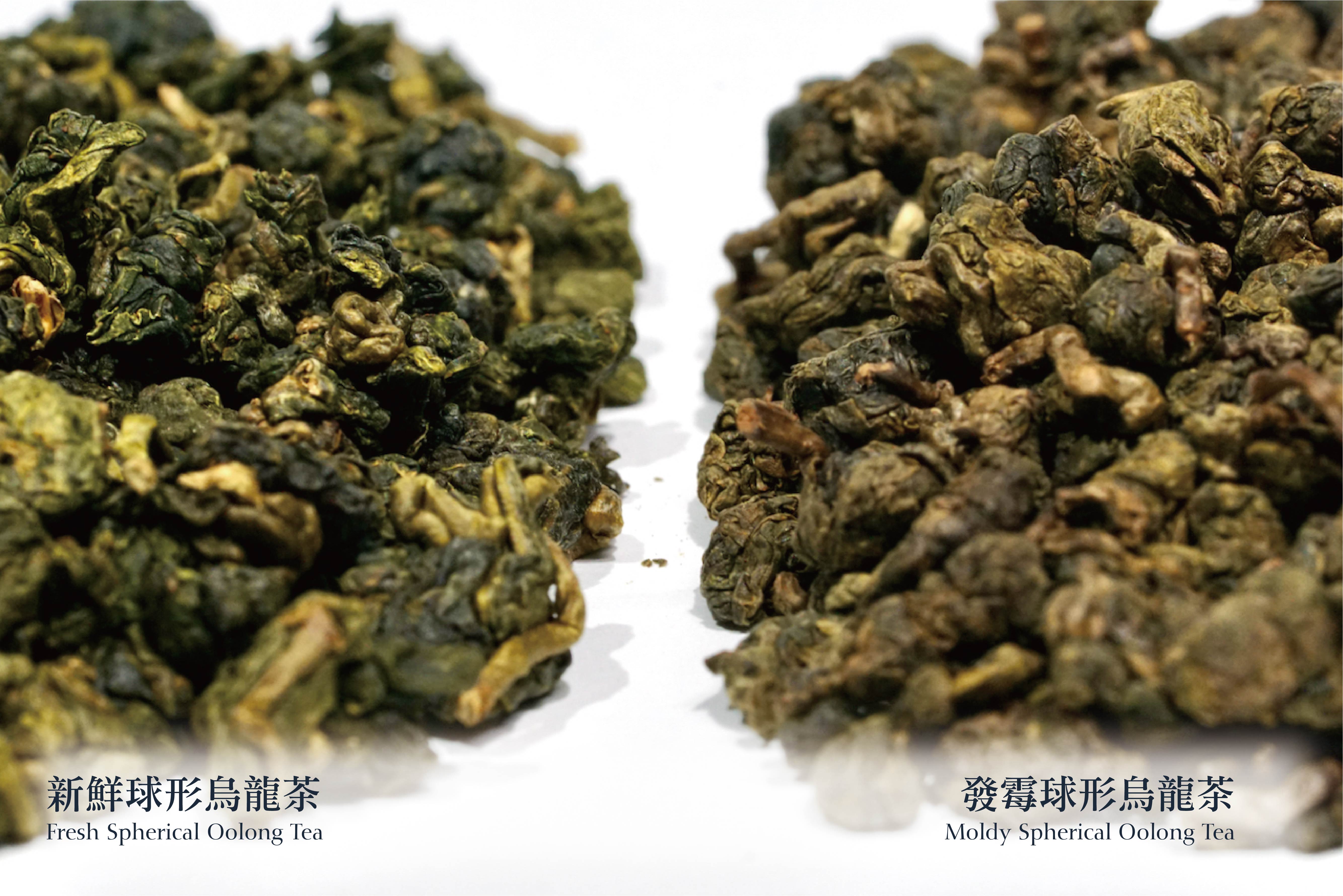
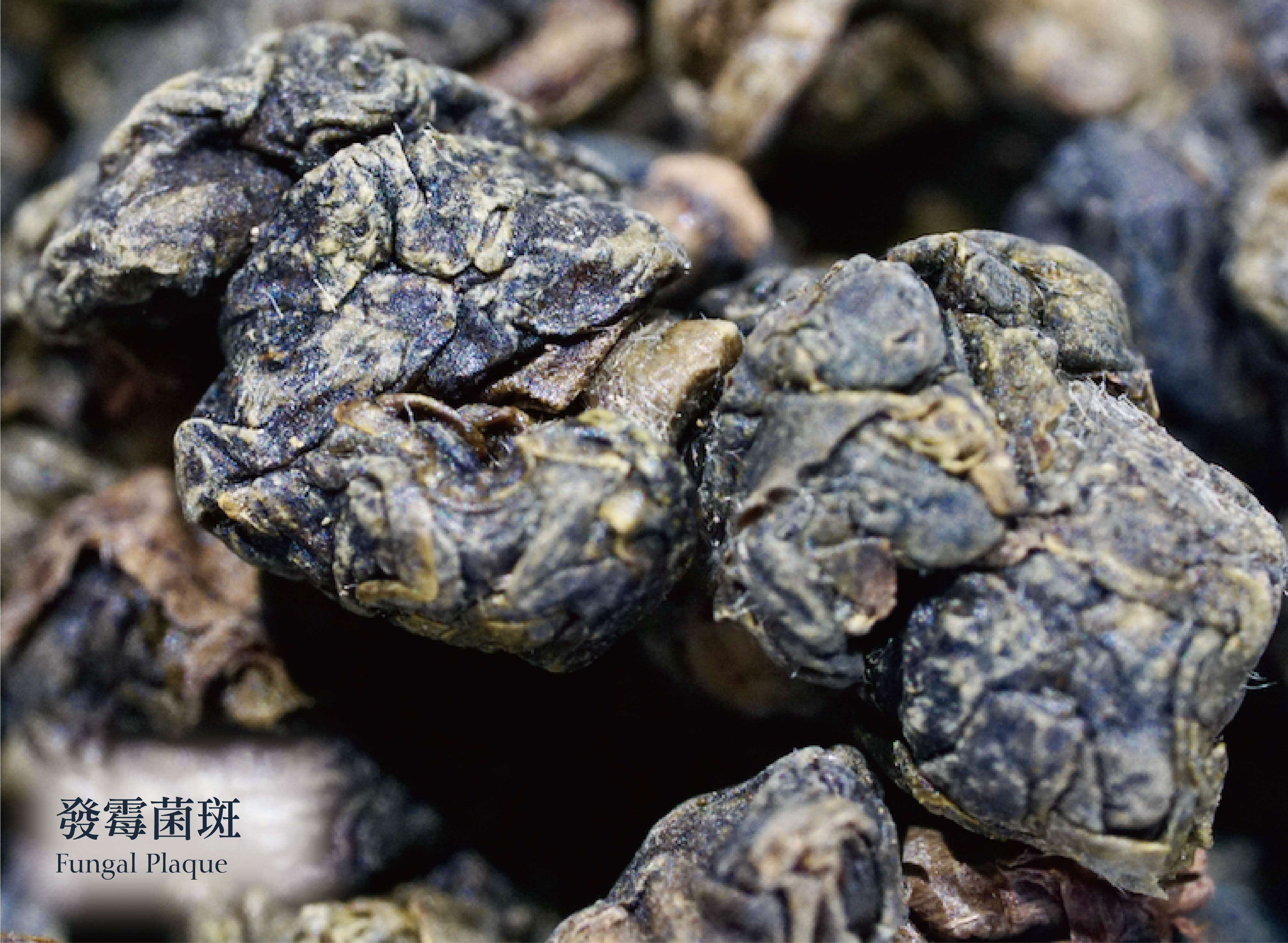
◇ Biological: mold
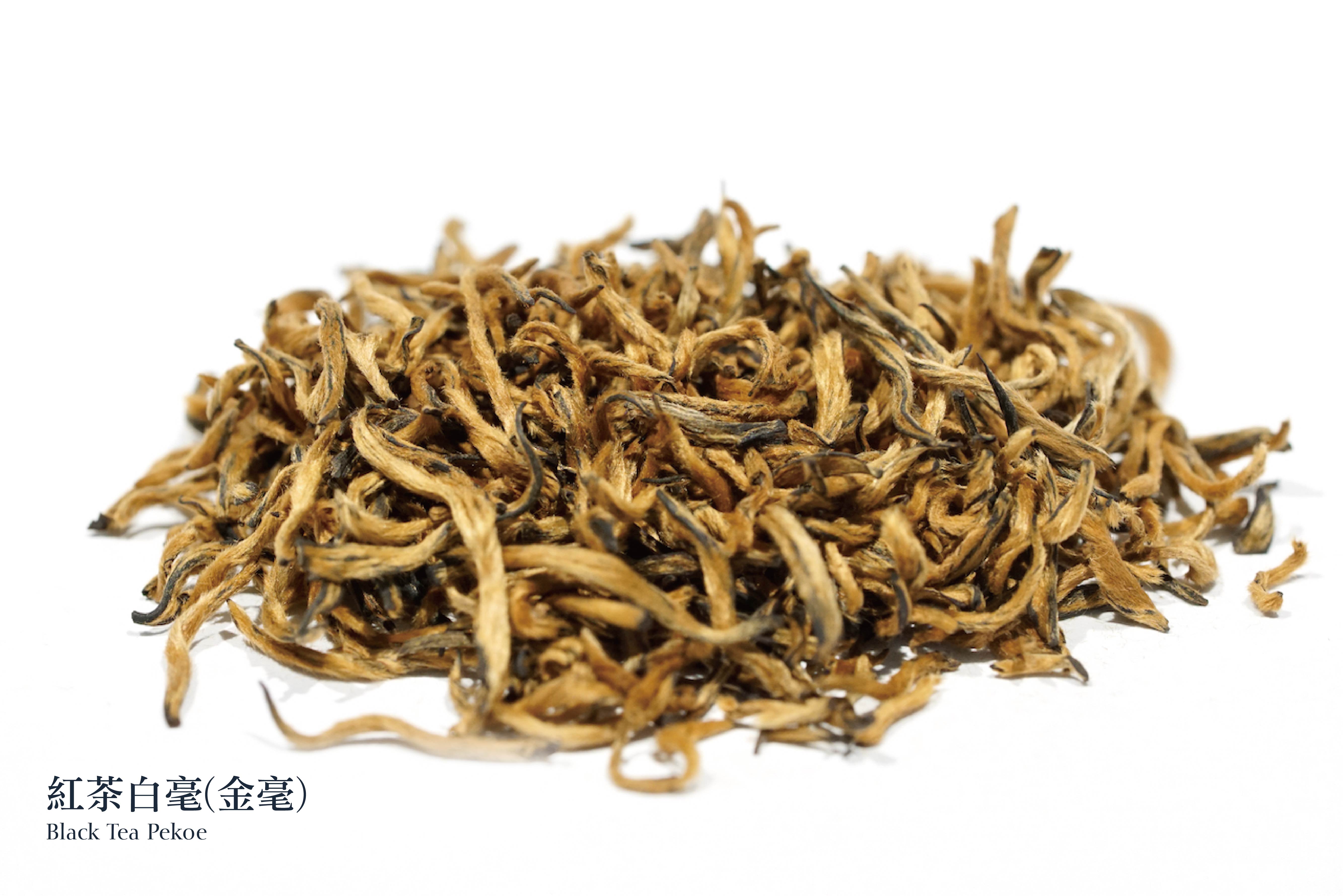
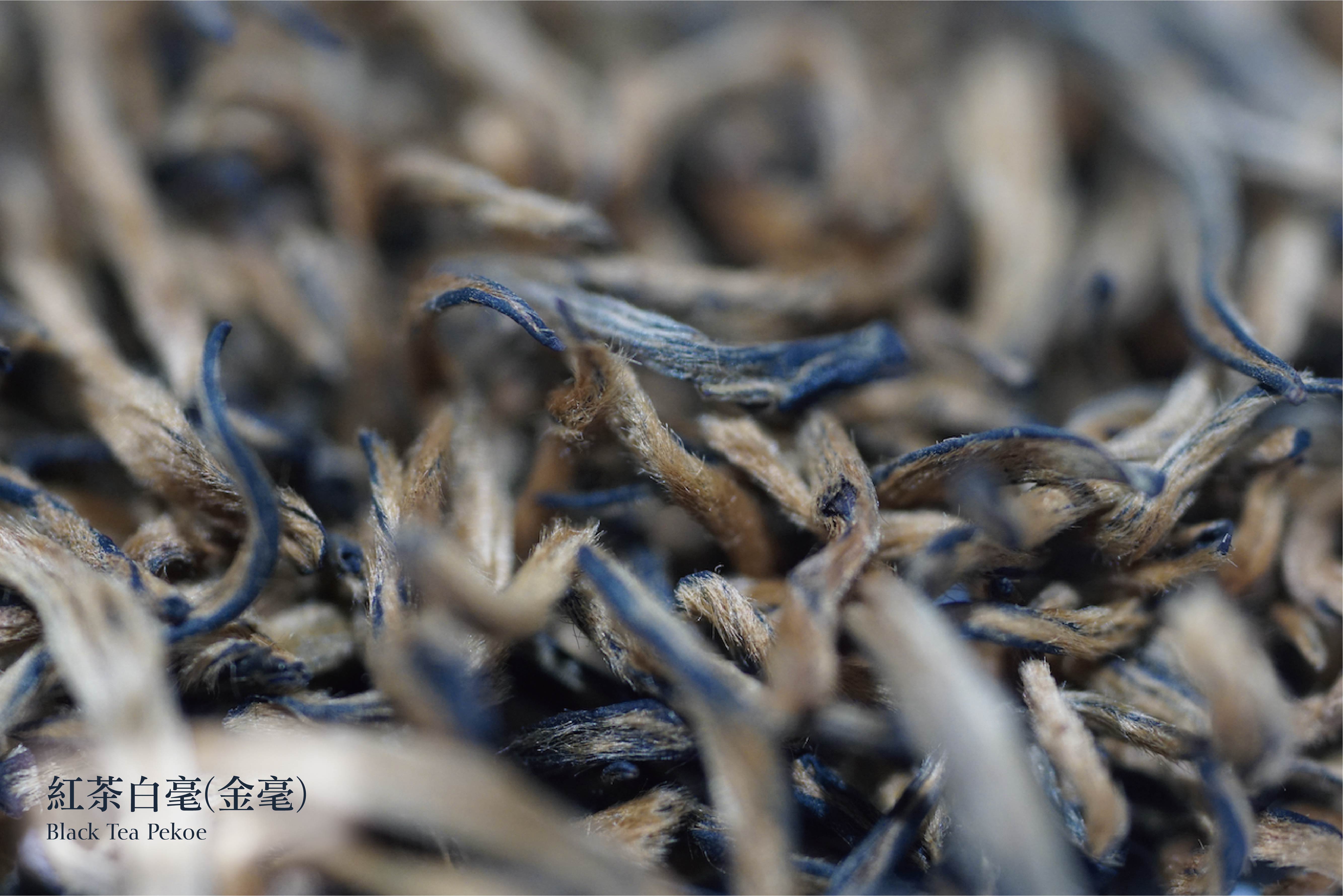
White fuzz on tea leaves: is it mold?
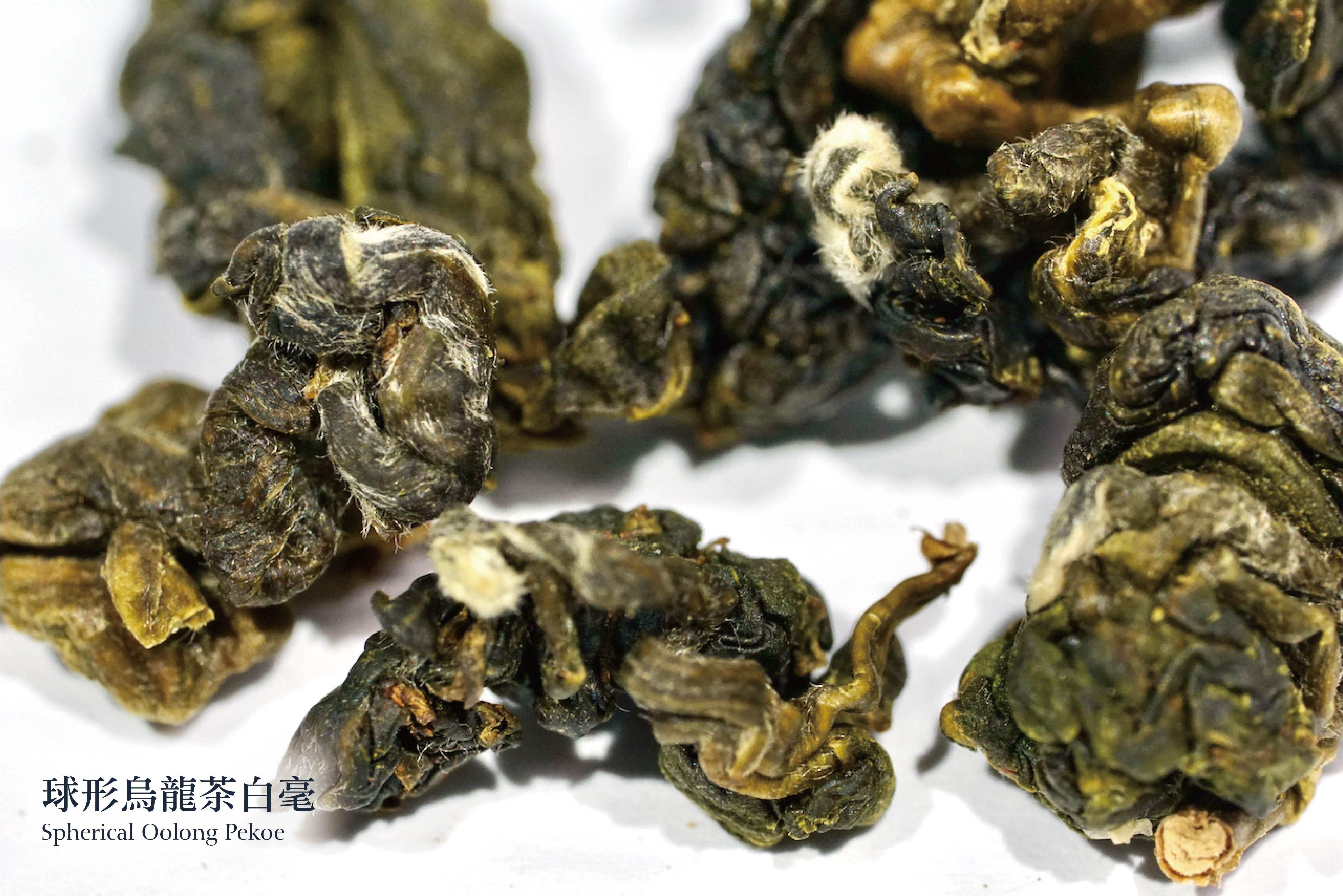
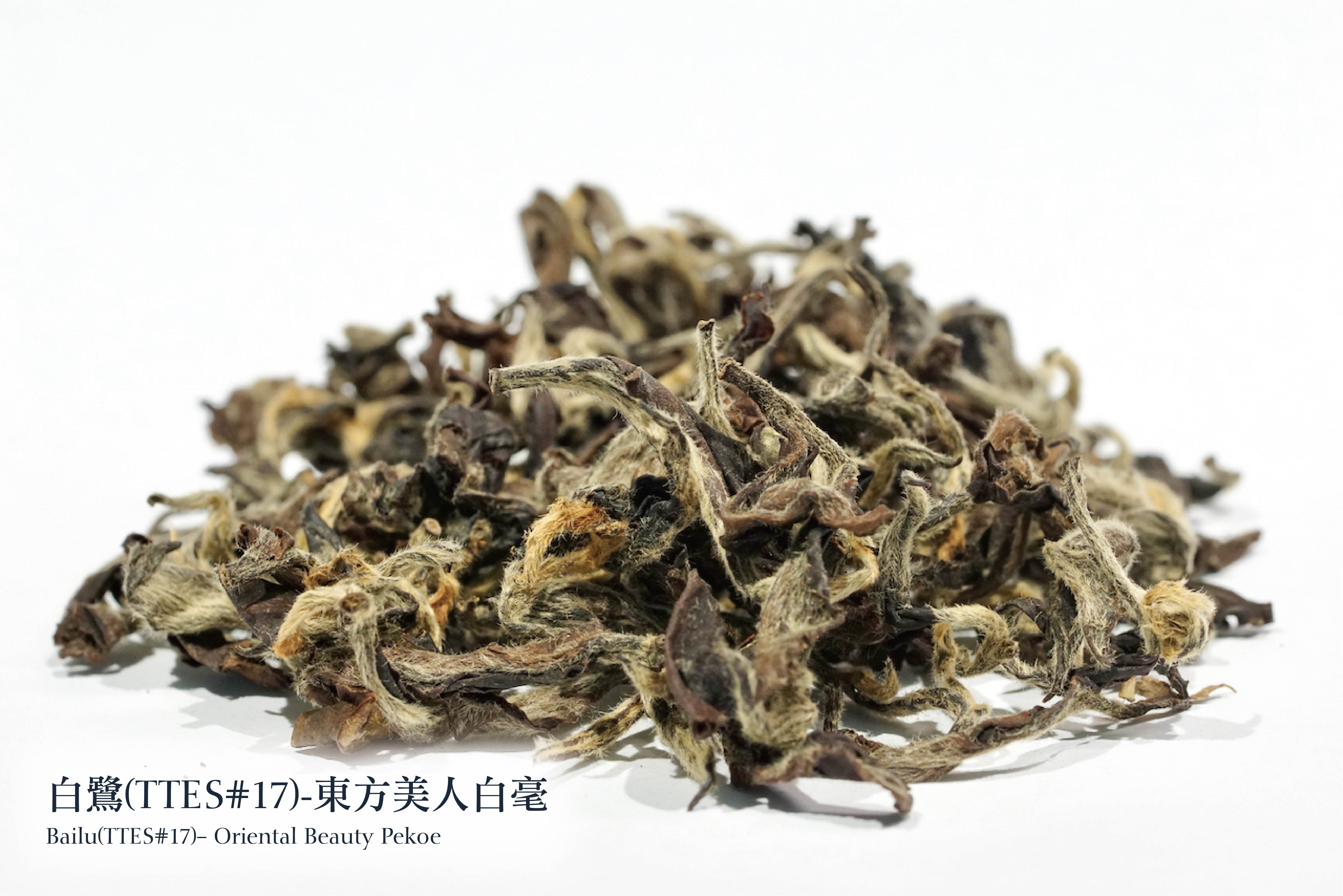
White fuzz on tea leaves could be mold, or it could simply be the fine hairs on young tea buds.
How do you tell the difference? Start by gently fanning the leaves toward your nose.
If you detect a musty smell (like the inside of an old cabinet), the tea has gone moldy.
You can also lightly rub the white fuzz with your fingers.
If it stays on the leaf, it is natural bud hair. If it transfers to your fingers, it is mold.
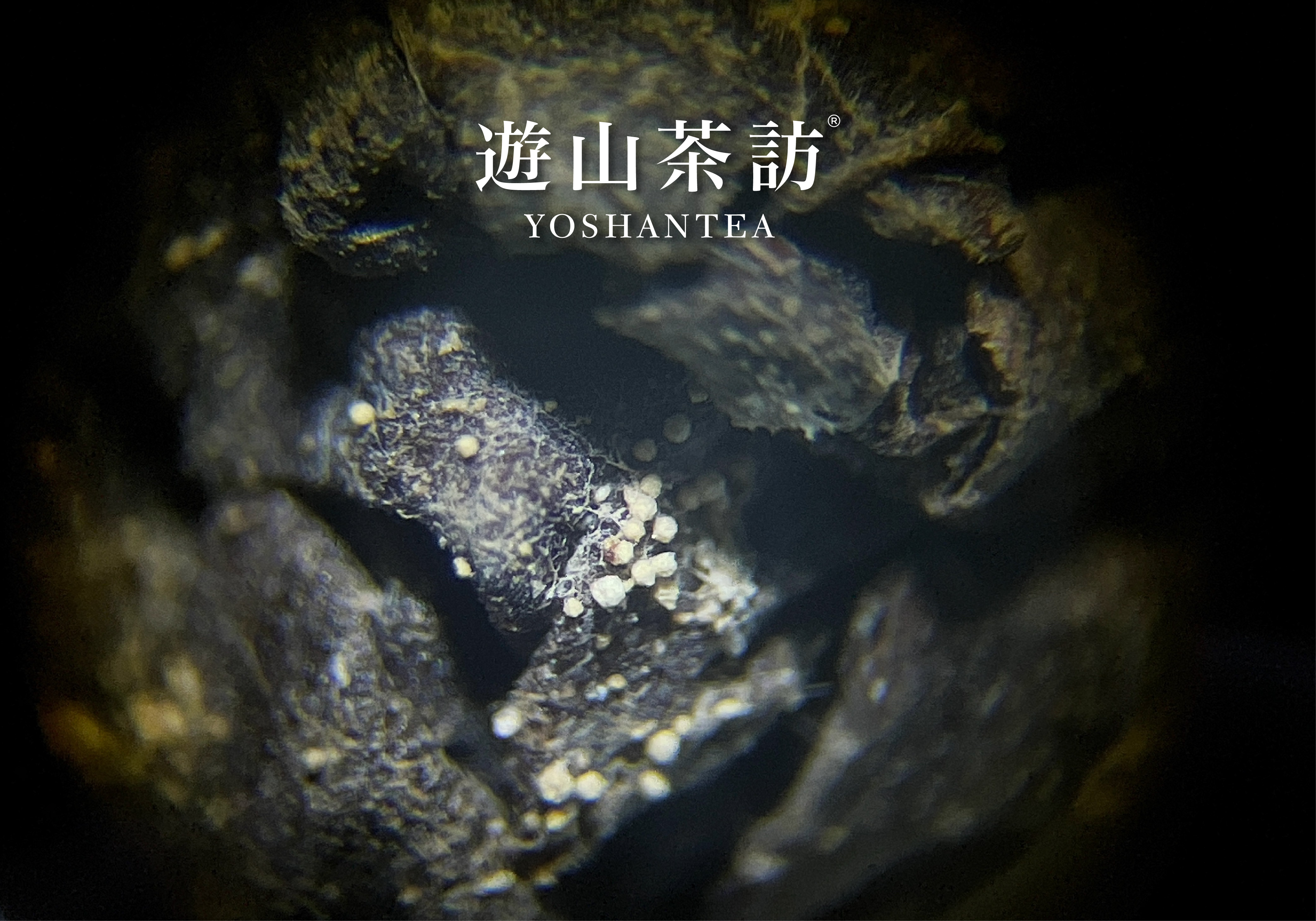
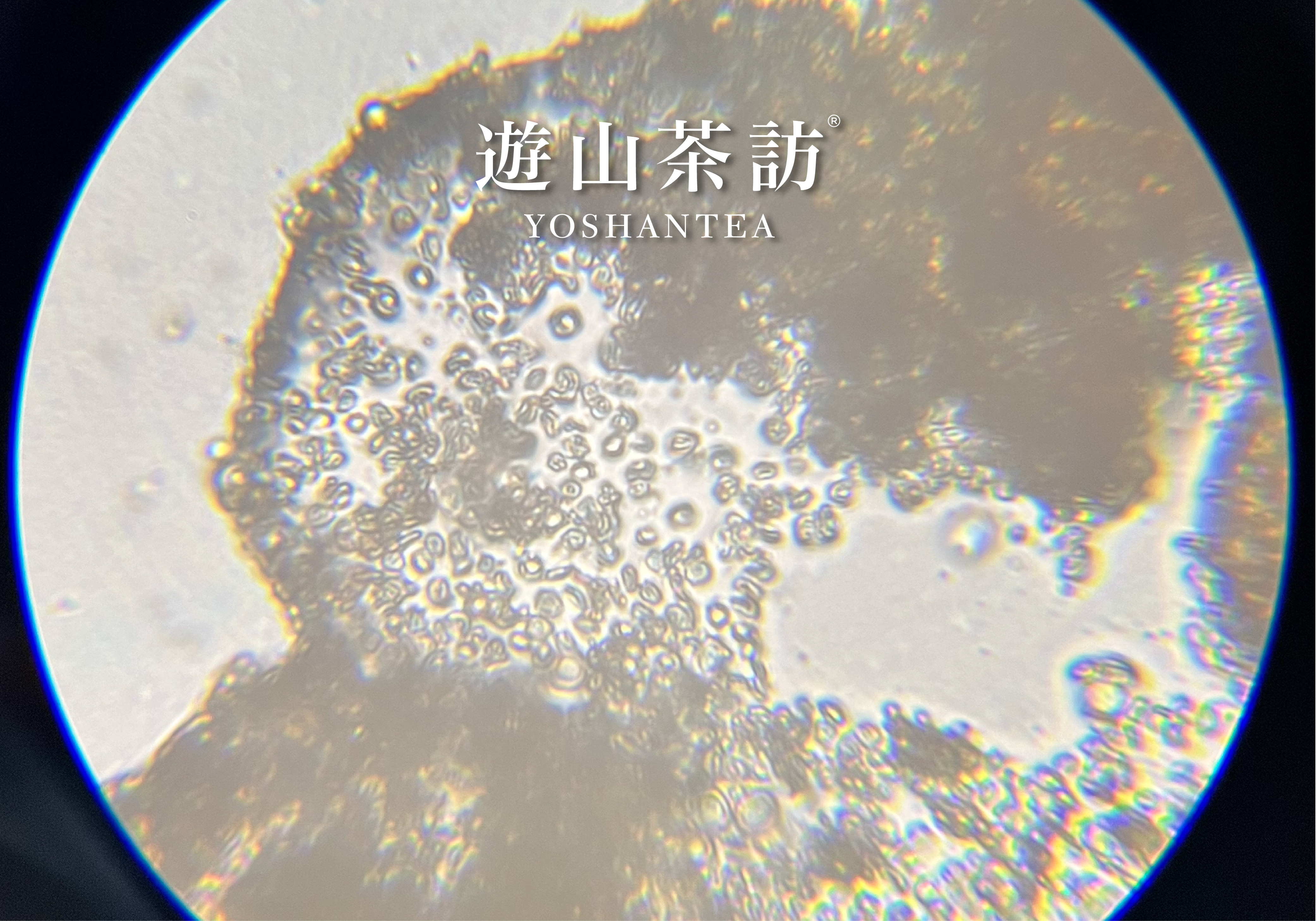
Under a dissecting microscope, tea mold appears as fish-egg-like clusters.
This is likely Eurotium cristatum, a fungus commonly found in Anhua Fu Brick Tea (安化茯磚茶) from Hunan, China,
where it is known as the "golden flower" fungus (金花菌).
Under a compound microscope, individual mold spores become visible.
Why do young tea buds have white hairs?
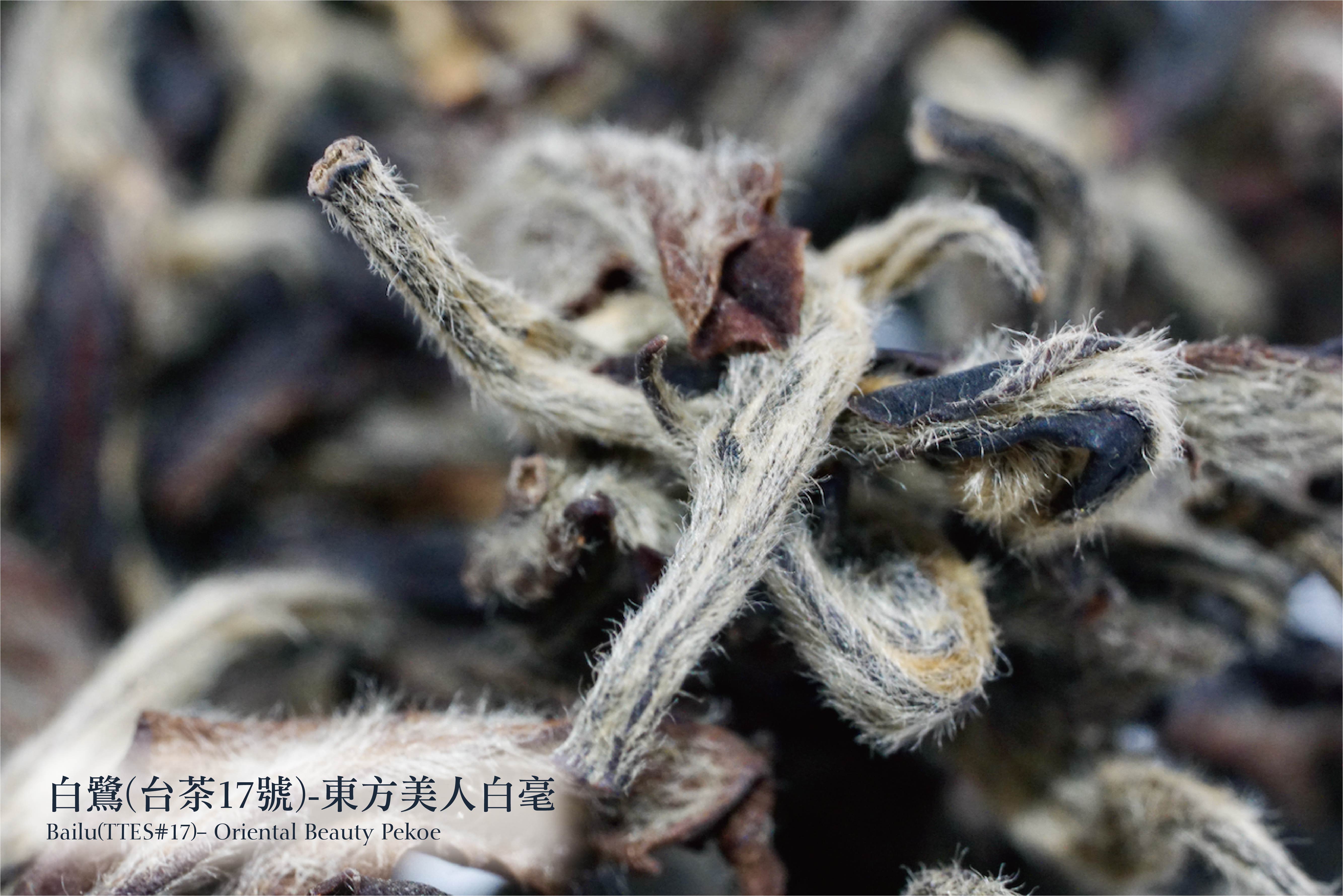
The white hairs covering young tea buds serve as a natural defense.
Because buds are delicate, the hairs help repel water and deter insects.
When an insect bites into a bud full of fine hair, it quickly gives up.
The density and length of these hairs vary by season and variety.
Teas harvested in summer and autumn tend to show more visible white hairs.
The cultivar Egret (Taiwan Tea No. 17, 臺茶17號) is especially known for its exceptionally long trichomes.
Can you still drink moldy tea?
No. Moldy tea should not be consumed regardless of its value or price.
There is one notable exception: Hunan Anhua Dark Tea (湖南安化黑茶) is prized precisely for its growth of the "golden flower" fungus. If you are drinking this style of tea,
it is recommended to rinse the leaves several times with boiling water first,
or to bring the tea to a full boil in a pot before drinking.
Hope this has been helpful. See you next time.
Last revised: 2026.05.29
Originally written: 2022.11.11
#yoshantea #taiwantea #dongdingtea #oolongtea #teafactory #FSSC22000 #safetea #teaknowledge #foodsafety #teabud #moldytea #teahair #darktea #goldenflorafungus