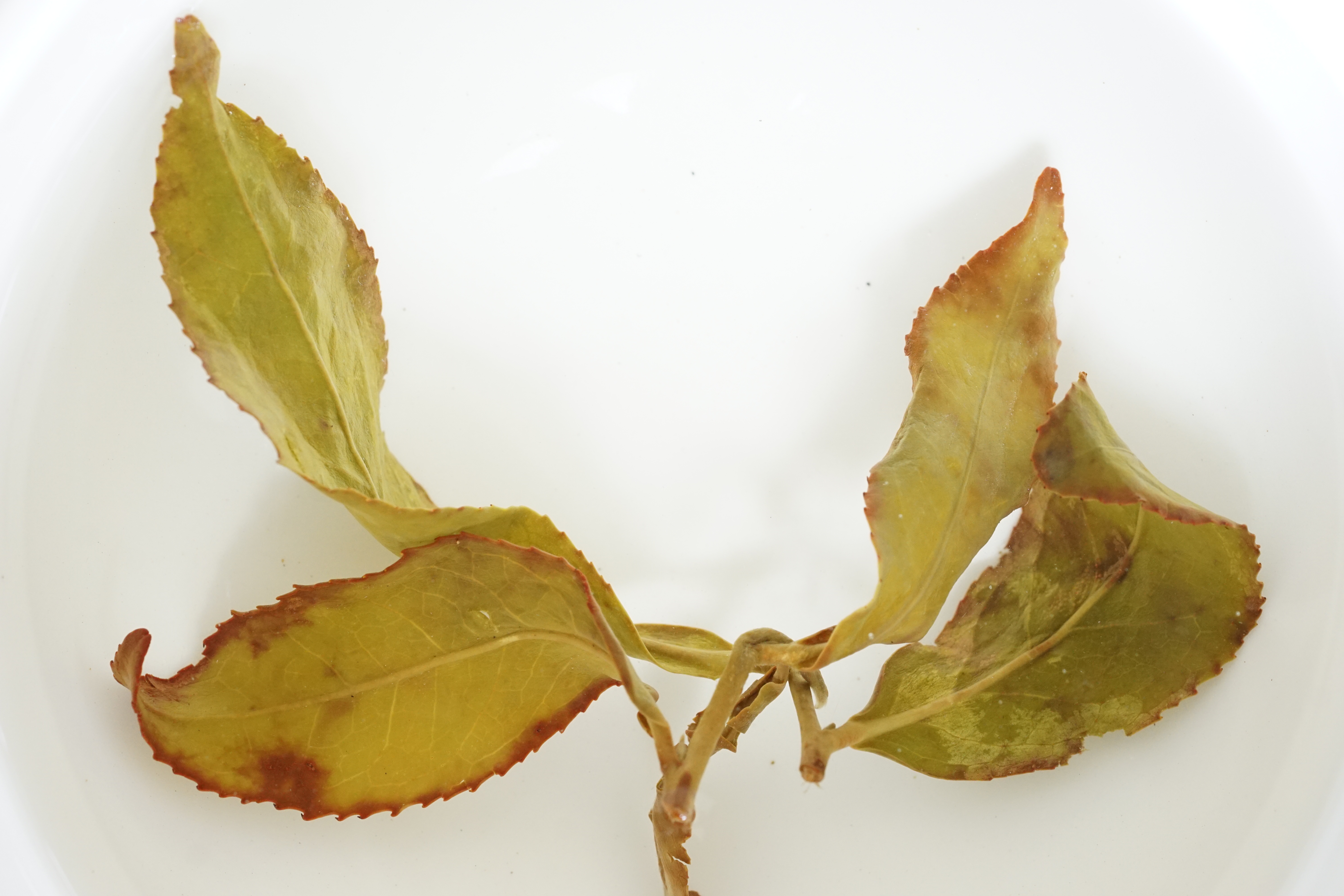
During tea production, a chemical process creates many fascinating flavors.
This process is traditionally called "fermentation," but scientifically speaking,
it's actually oxidation. Based on different degrees of oxidation,
tea can be broadly categorized into green tea, oolong tea, and black tea.
The term commonly used is "fermentation."
However, when explaining tea "fermentation" to foreigners, confusion inevitably follows.
Even non-tea-drinking Asians often struggle to understand what's really happening.
Is tea simply "more fermented" if it's roasted longer?
Does black tea mean it's baked the longest?
Fermentation - like making bread? Brewing alcohol?
The term "fermentation" originally referred to the process of adding yeast to wort,
producing bubbles - essentially, the process of making alcohol.
This was the earliest definition of fermentation.
In simple terms, fermentation is the process by which organisms break down organic compounds to generate energy.
Biologically speaking, it refers to an energy-producing redox reaction where organic compounds act as electron acceptors in the electron transport chain.
However, in tea production, what we call "fermentation" should more accurately be termed oxidation.
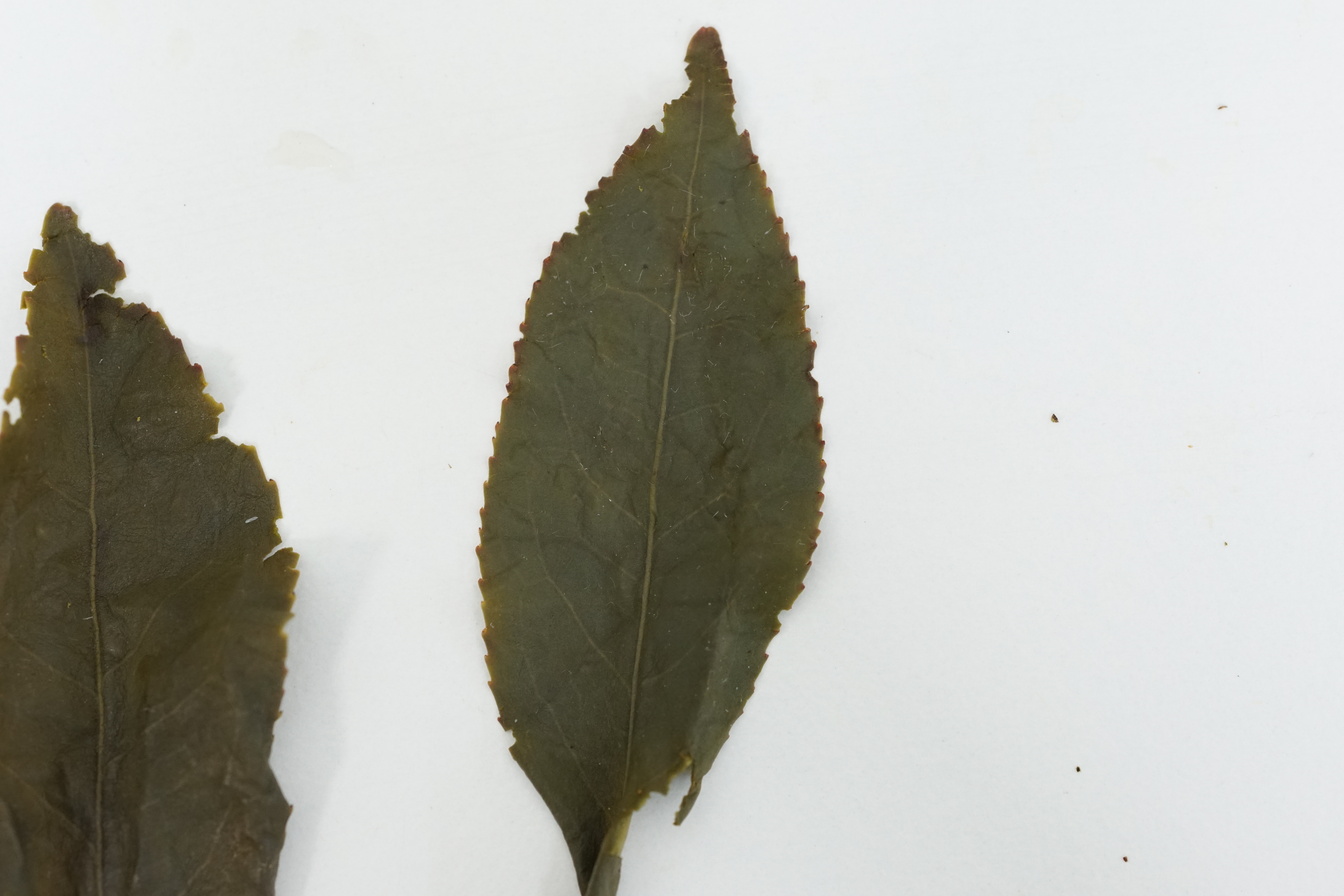
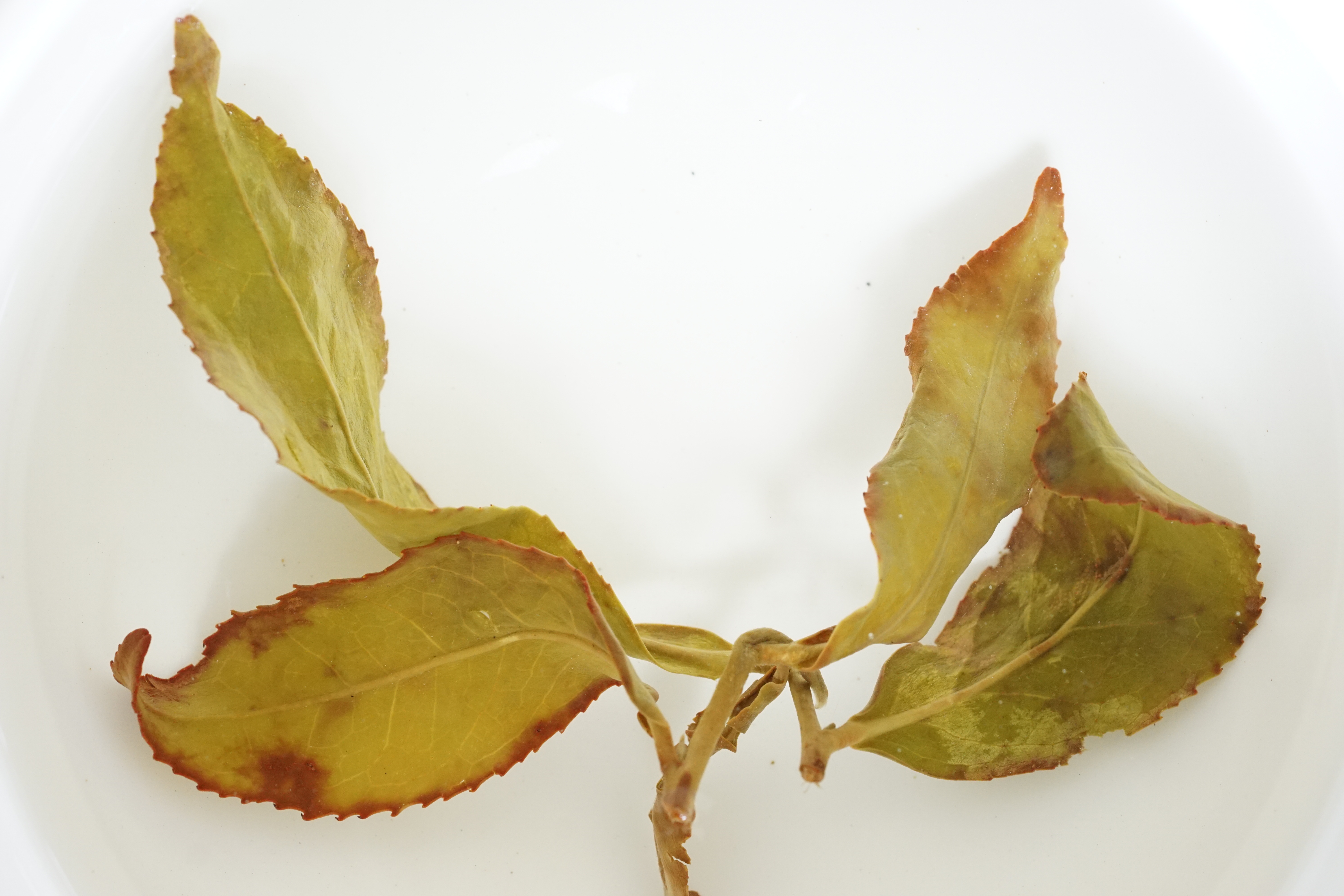
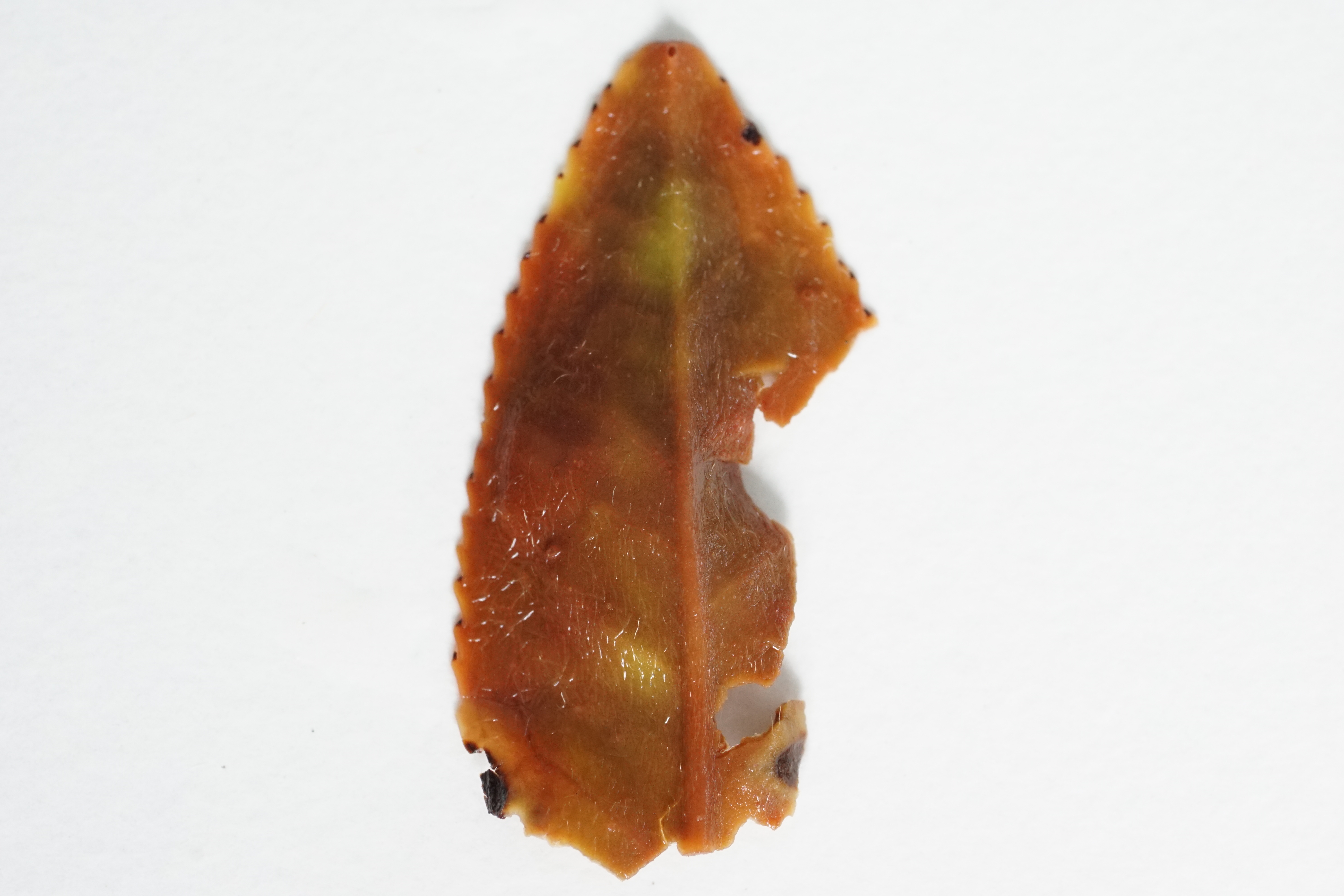
The transformation from green tea to oolong tea and then to black tea is a series of polyphenol oxidation and polymerization reactions.
In green tea, catechins are oxidized with the help of polyphenol oxidase (PPO).
This process either adds oxygen to catechins or links them together
- much like assembling building blocks - forming larger compounds.
It's very much like building with LEGO bricks.
The oxidation of polyphenols directly affects the color and taste of tea.
Catechins themselves are colorless,
but as they oxidize and polymerize into theaflavins, the tea liquor becomes darker.
In black tea, theaflavins (primarily) and thearubigins are key contributors to color and flavor.
If oxidation continues too far, excessive polymerization produces thearubigins and theabrownins,
resulting in dull color and undesirable taste.
So what do polyphenols become in oolong tea?
Not theaflavins - despite the name suggesting "yellow" -
but a group of compounds currently under study called theasinensins.
These compounds exist uniquely in oolong tea.
Because they appear briefly and in small amounts,
they are difficult to detect and are considered intermediate products.
"The touch of today shapes the taste of tomorrow."
During processing, gently turning the leaves promotes oxidation.
If handled too roughly,
oxidation accelerates too quickly - like LEGO bricks thrown together randomly - leading to unpleasant aromas and flavors.
In summary, this oxidation journey begins with green tea and ends with black tea.
Along the way, every stop offers its own scenery.
Where to pause depends on experience - and imagination.
This is why oolong tea,
classified as partially oxidized (or "partially fermented" in traditional terminology), raises so many questions:
How much is "partial"? Which stage exactly?
For this reason, oolong tea production is both an art and a challenge to study.